March 27, 2026
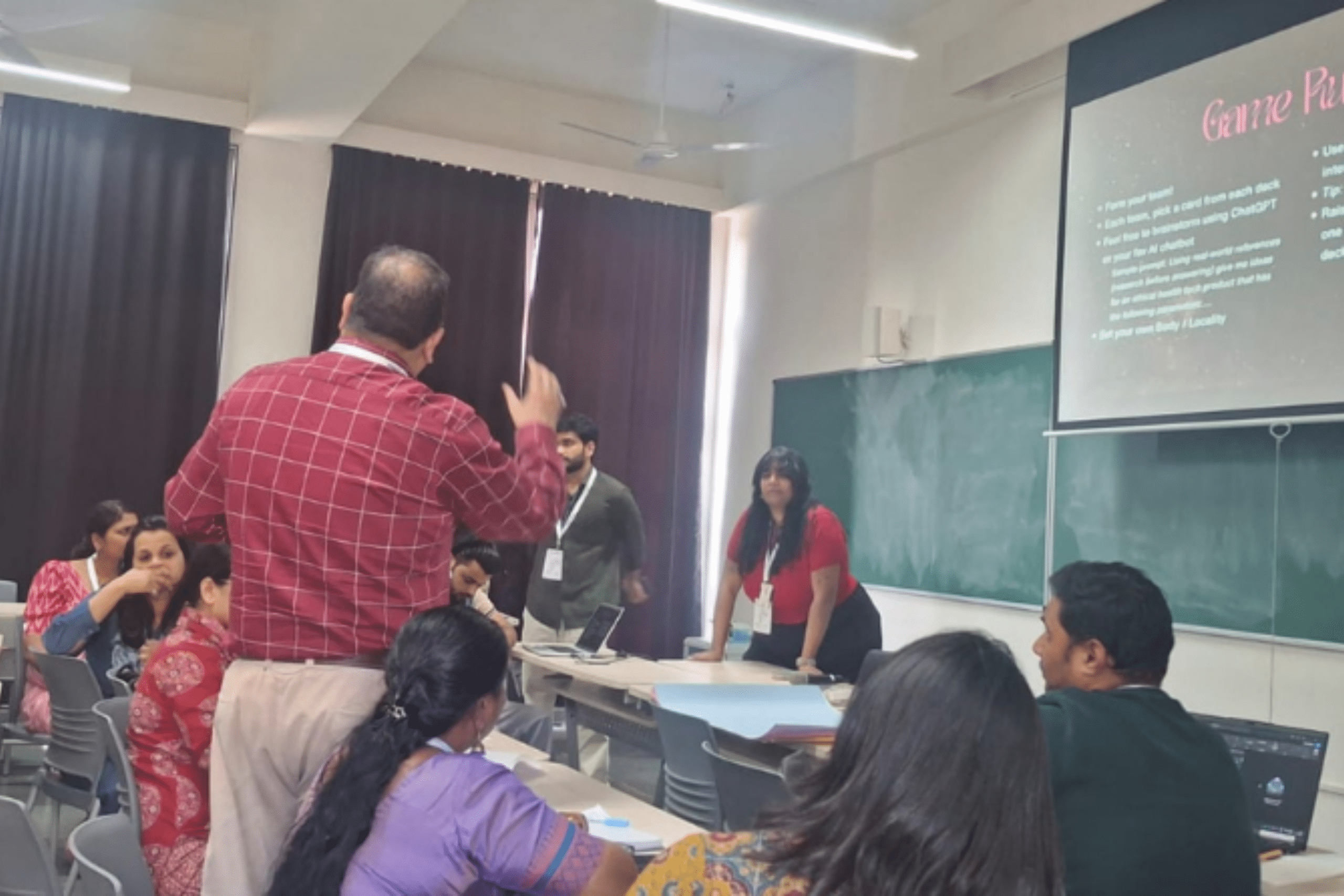
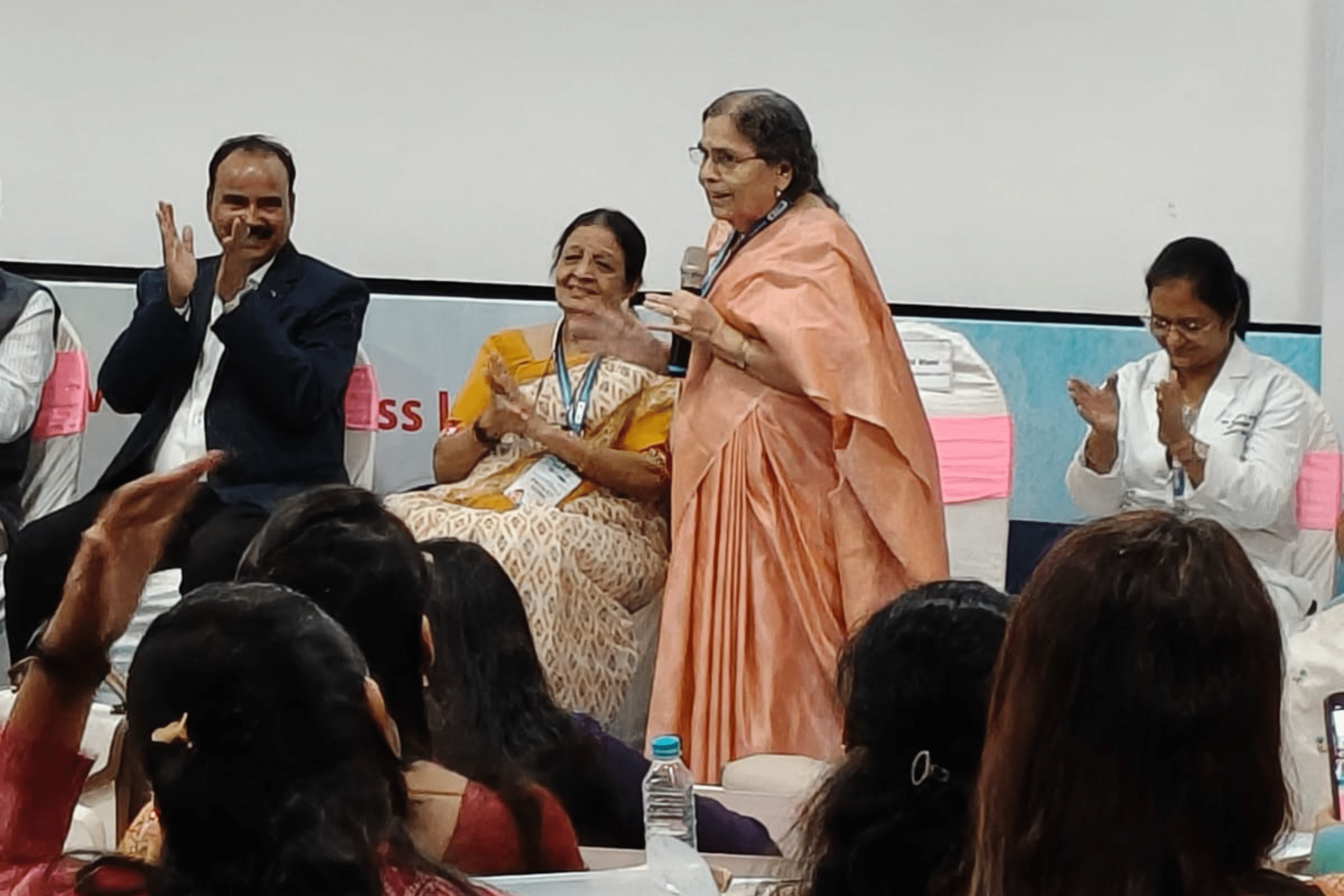
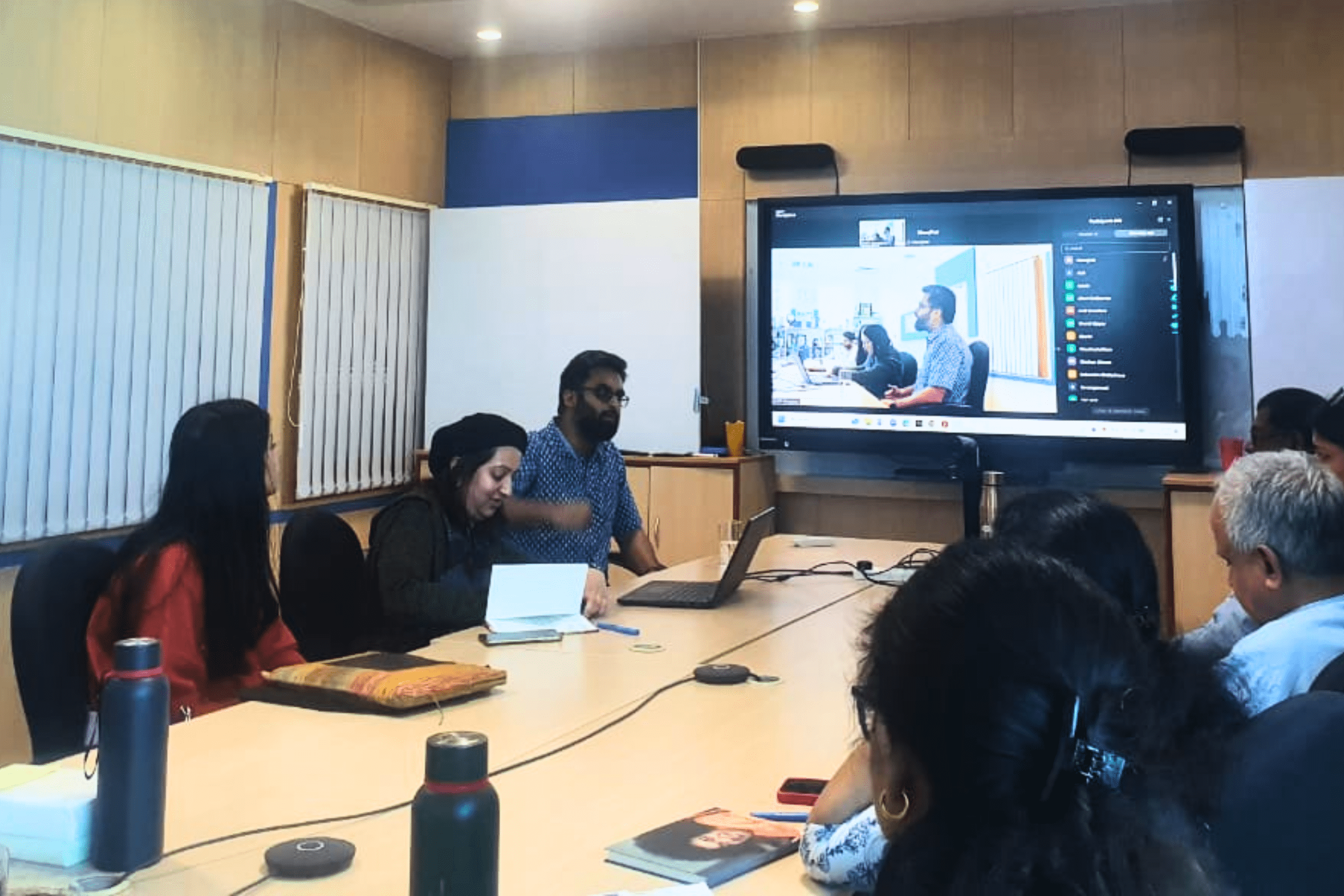
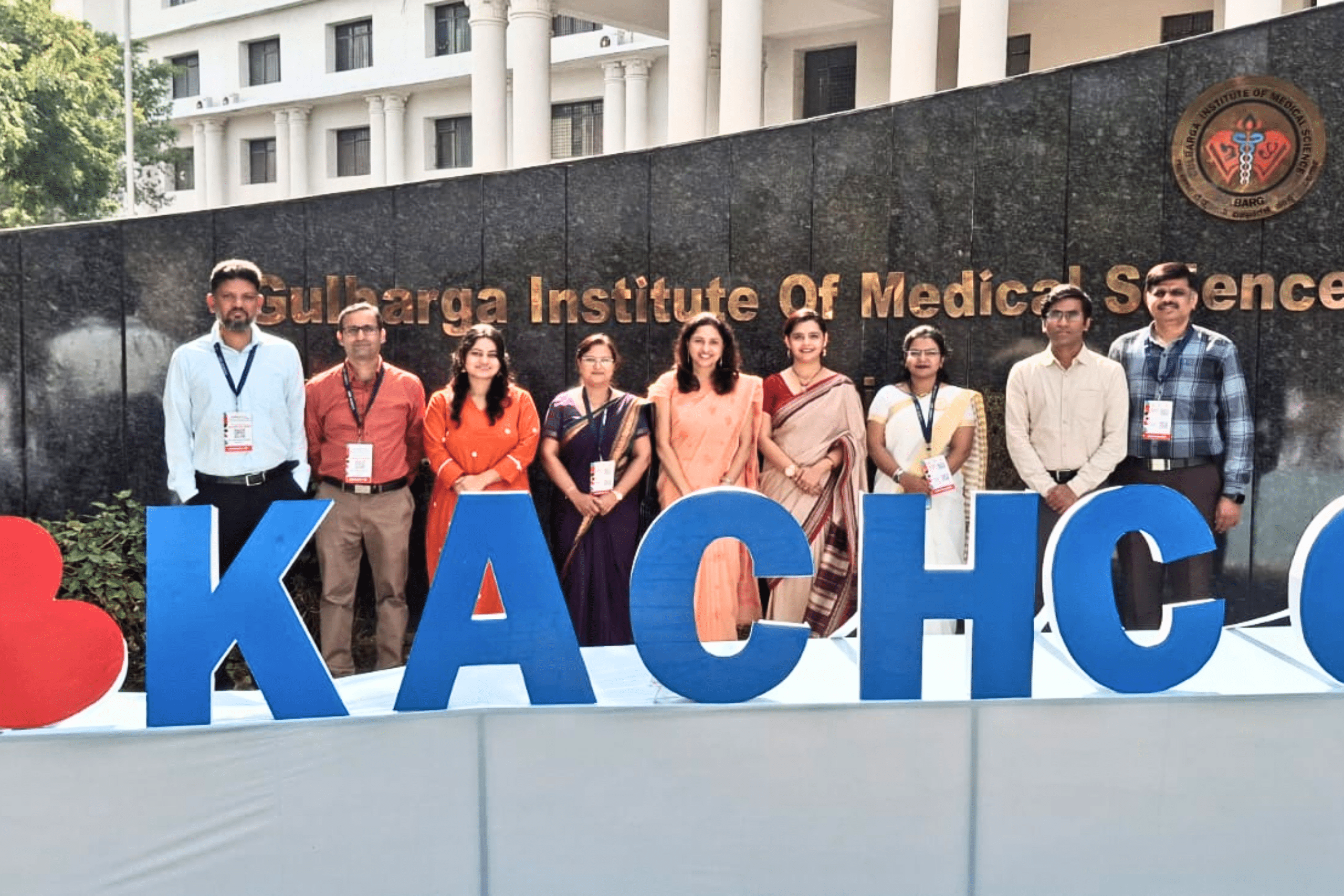
The workshop was thoughtfully curated by KHPT in collaboration with the Wipro Foundation as part of the Wipro Healthcare Partners Forum under “She Matters: A Day of Dialogue, Insights, and Hands-on Learning on Gender and Women’s Health,” and was held on 17th February 2026 at the Azim Premji University campus.
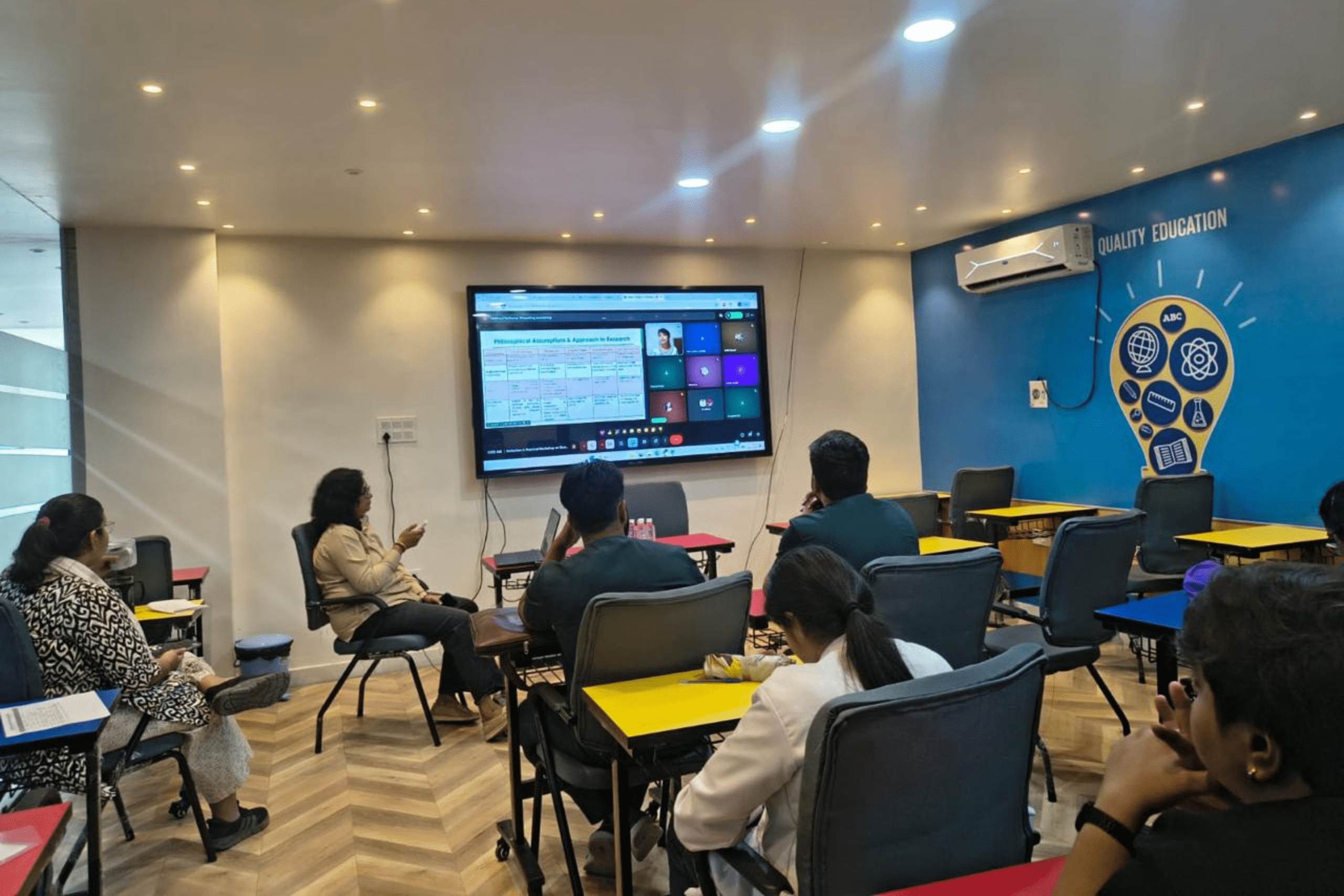
Facilitated by Nymisha Herrera Nimmagadda from Khushi Baby, this workshop focused on strengthening participants’ understanding of climate–health pathways, identifying vulnerable populations, and linking climate-related risks to existing programmes and roles. It emphasized actionable responses at individual, community, and system levels, while clearly distinguishing between mitigation (reducing emissions) and adaptation (building resilience), with a primary focus on adaptive strategies within health systems. An interactive exercise mapping climate drivers to health outcomes further highlighted the interconnected and multisectoral nature of climate-related risks.
In the Indian context, climate change was discussed as manifesting through heatwaves, erratic monsoons, floods, droughts, and air pollution, with region-specific impacts requiring hyper local responses. Key climate–health pathways identified included heat-related morbidity, spread of vector and water-borne diseases, food insecurity and malnutrition, respiratory illness, and psychosocial stress linked to displacement and livelihood loss. Vulnerable populations include children, pregnant women, the elderly, persons with disabilities, individuals with chronic illnesses, daily wage labourers, farmers, migrants, socioeconomically disadvantaged groups, and LGBTQIA+ communities, all facing compounded risks due to structural inequities and occupational exposure.
Governance gaps were highlighted, particularly the lack of convergence across departments despite available disaster management frameworks. The discussion emphasised embedding climate adaptation within routine health programming rather than creating parallel action plans. Through case scenarios on heatwaves, drought, and floods, participants identified practical measures such as integrating climate risks into antenatal care and birth preparedness, strengthening early warning systems, enhancing facility preparedness, promoting nutrition-sensitive agriculture, and reinforcing anaemia interventions. The session concluded by underscoring that climate change is a multidimensional public health challenge requiring district-level leadership, multisectoral collaboration, and community- centric adaptation strategies.