March 28, 2026
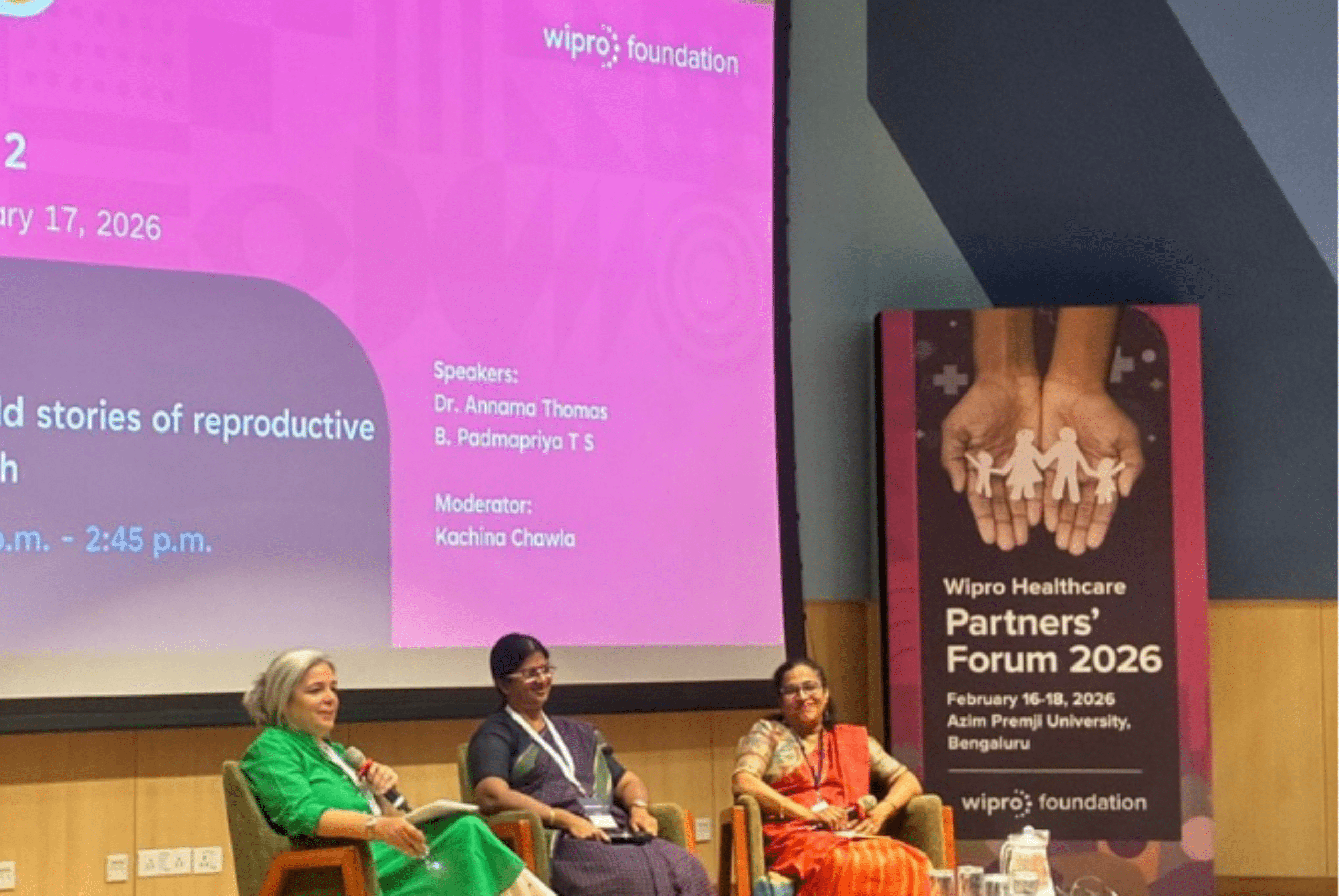
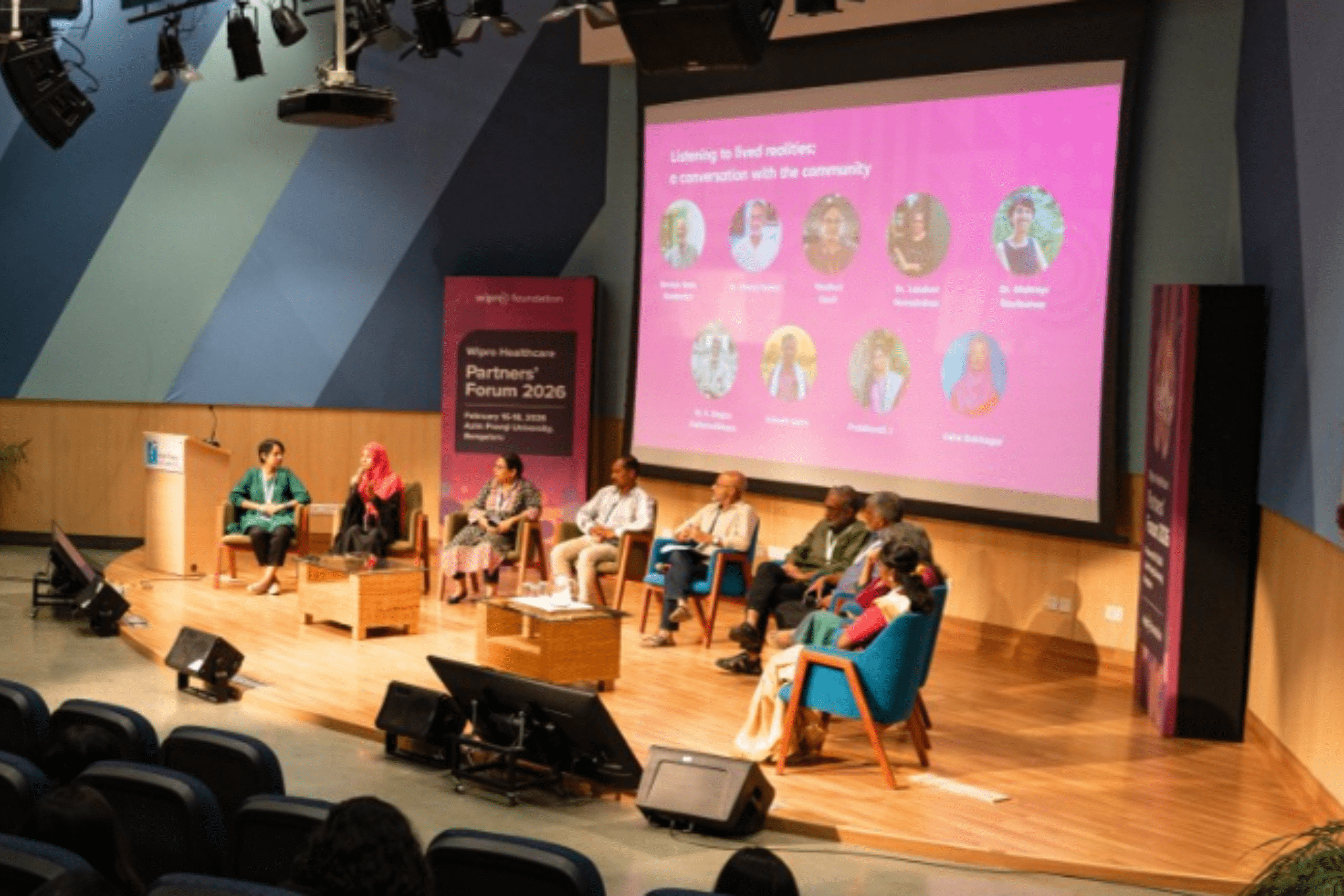
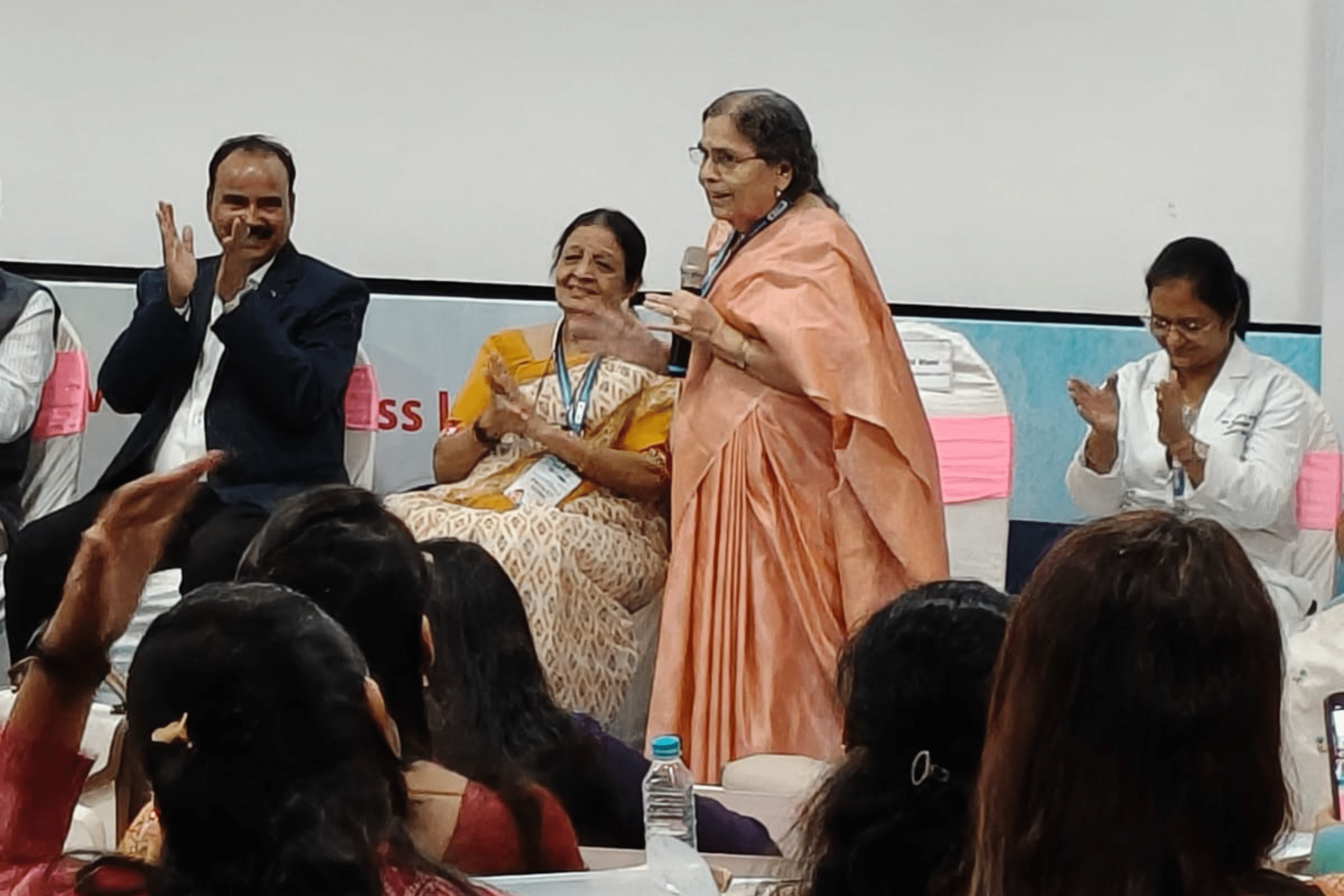
The session was thoughtfully curated by KHPT in collaboration with the Wipro Foundation as part of the Wipro Healthcare Partners Forum under “She Matters: A Day of Dialogue, Insights, and Hands-on Learning on Gender and Women’s Health.” The session was held on 17th February 2026 at the Azim Premji University campus.
Maternal health and preconception care are critical components of ensuring positive health outcomes for women and children. Innovations in service delivery, community engagement, and health systems are playing a key role in addressing persistent gaps and improving continuity of care. This conversation, facilitated by Dr Prarthana B S (KHPT, Bangalore) brings together diverse perspectives to explore emerging approaches, share experiences, and reflect on how integrated and context-responsive strategies can strengthen maternal and preconception health outcomes.
The panel featured the following speakers:
Mr. Aravind Mallikarjun Masali (Jhpiego, Bangalore)
Ms. Prathibha Rai (KHPT, Bangalore)
The discussion opened with a critical reflection on why preconception care (PCC) requires renewed attention and how it differs from routine maternal health programming. The public health rationale highlighted significant missed opportunities, including high rates of unplanned pregnancies, anaemia, undernutrition, and unmanaged non-communicable conditions among women before conception. It was emphasised that interventions often begin only after pregnancy confirmation, whereas PCC should be framed as preventive obstetrics encompassing biomedical screening, nutrition, mental health, substance use, and broader social determinants.
The speakers underscored prevailing gaps in awareness, gender norms, and limited male engagement, noting that PCC is frequently reduced to family planning and folic acid supplementation rather than a comprehensive preventive approach. Implementation experiences across states were shared, including structured integration models that combine social and behavior change communication (SBCC), systematic high-risk screening, digital tools, frontline worker capacity strengthening, and convergence across nutrition, Non Communicable Diseases (NCDs), and mental health programmes. The use of tools such as the Eligible Couple (EC) card and designated EC Days at primary care facilities was highlighted as
a strategy to encourage shared responsibility, early risk identification, and family-focused counselling.
The discussion further emphasized that PCC should adopt a life-course perspective, beginning in adolescence and continuing through inter conception phases. Key challenges identified included low risk perception during the preconception period, limited decision-making autonomy for women, rigid gender roles, substance use among men, stigma related to infertility, and inadequate male participation. Participants also stressed the importance of engaging families and community institutions to create enabling environments.
The session concluded with consensus that preconception care must be repositioned as a gender-transformative, life-course strategy rather than a narrow biomedical intervention. Sustainable scale-up will require early engagement, systemic convergence across programmes, meaningful inclusion of men and families, and measurement frameworks that capture both service coverage and shifts in community norms and shared decision-making.