March 28, 2026
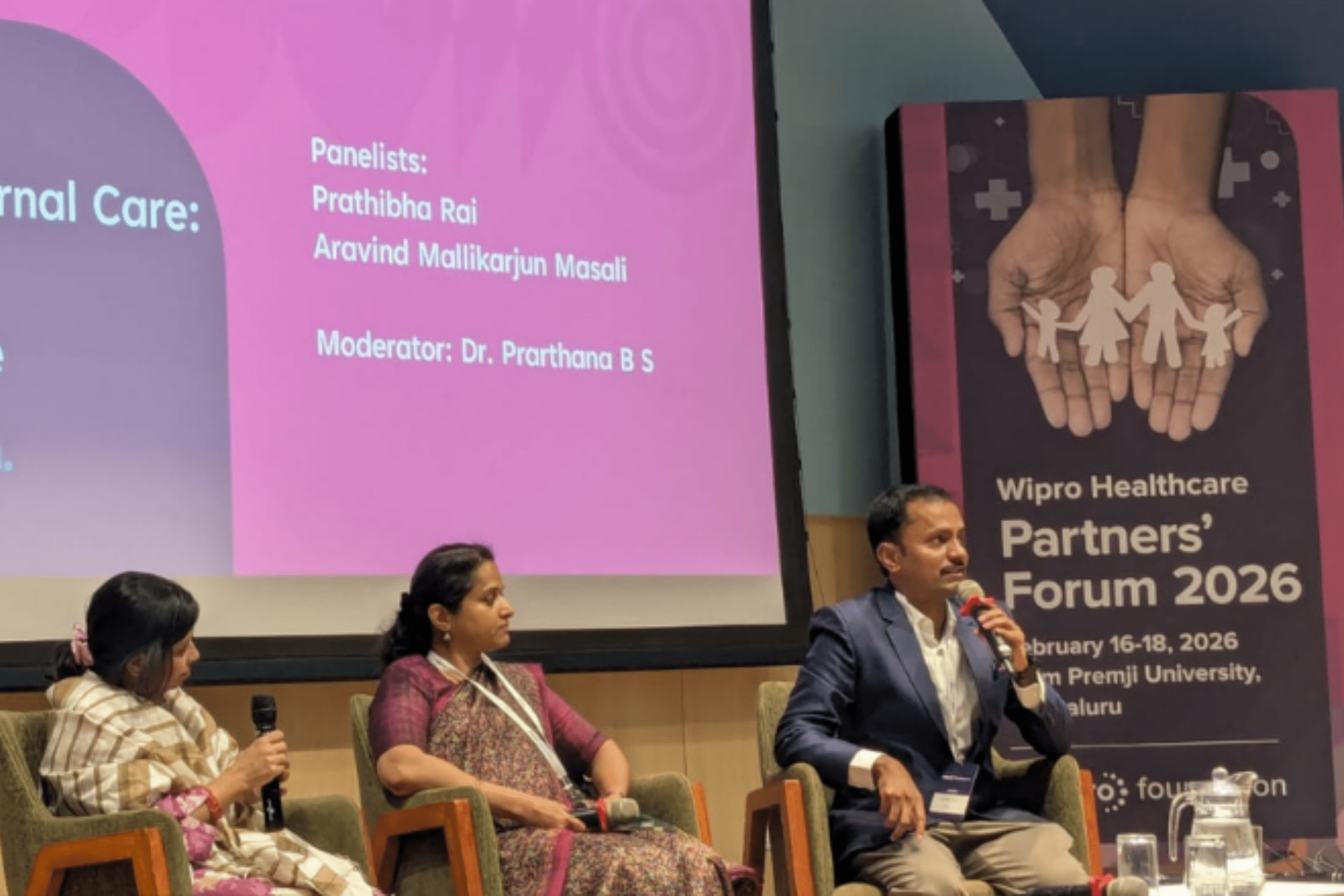
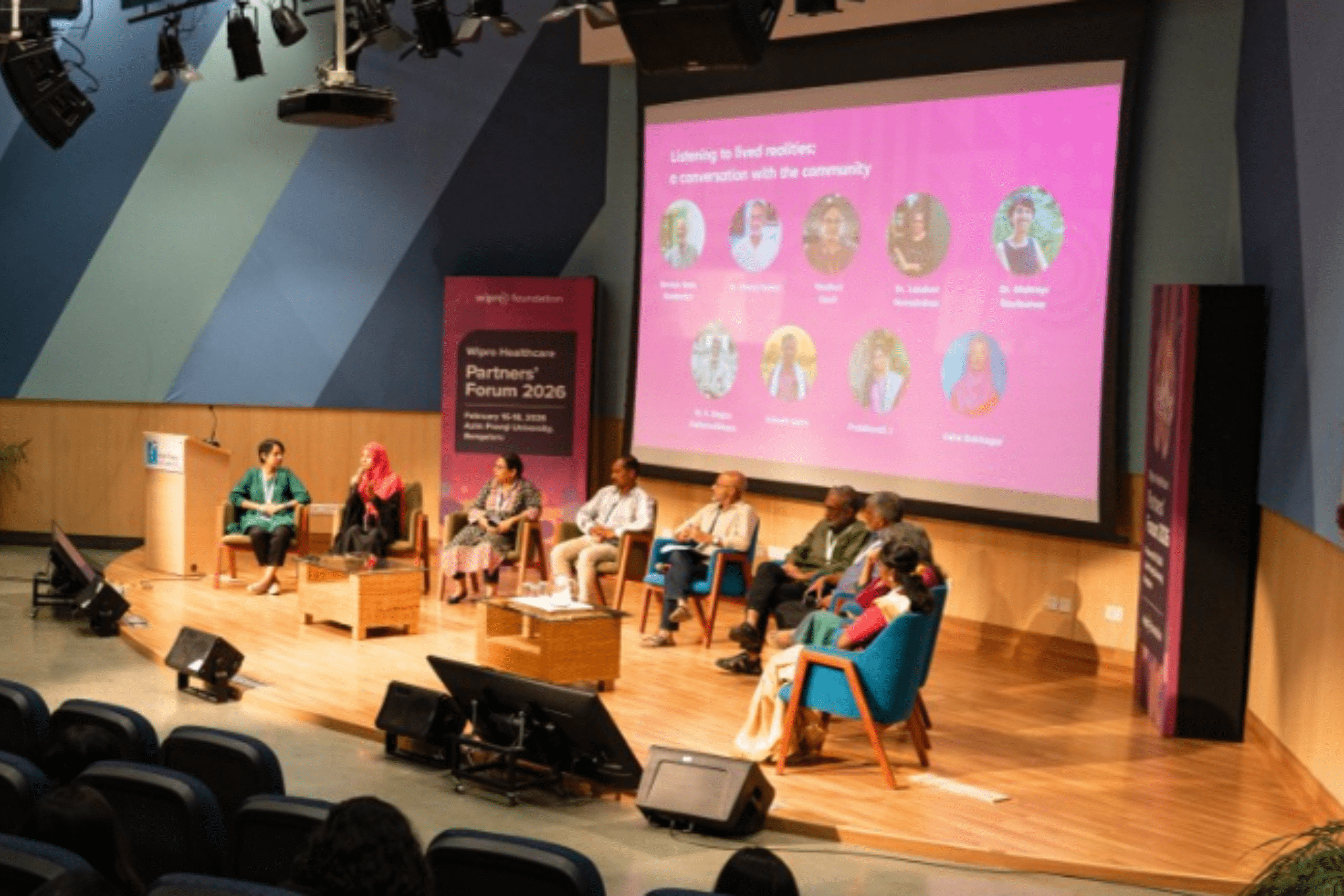
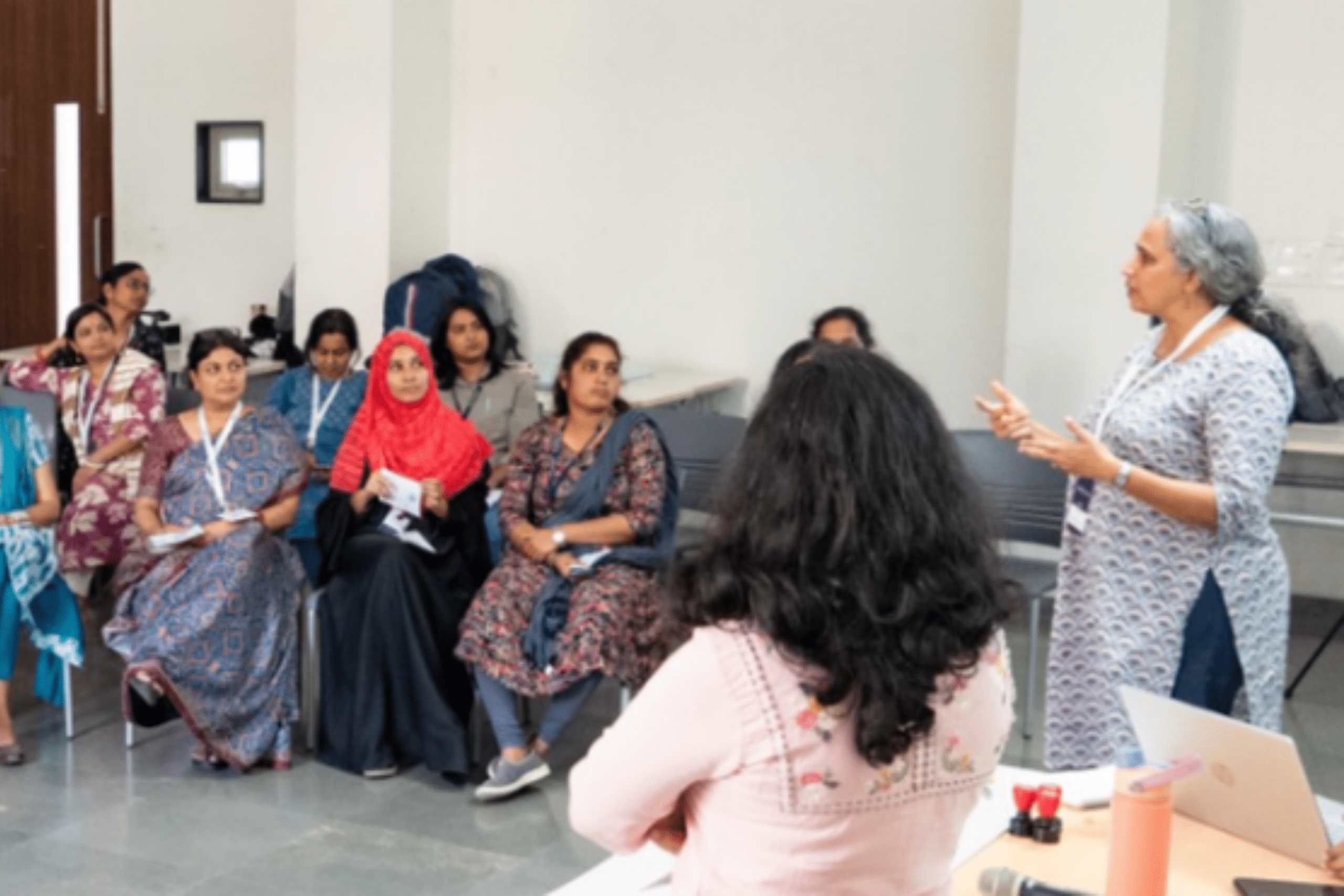
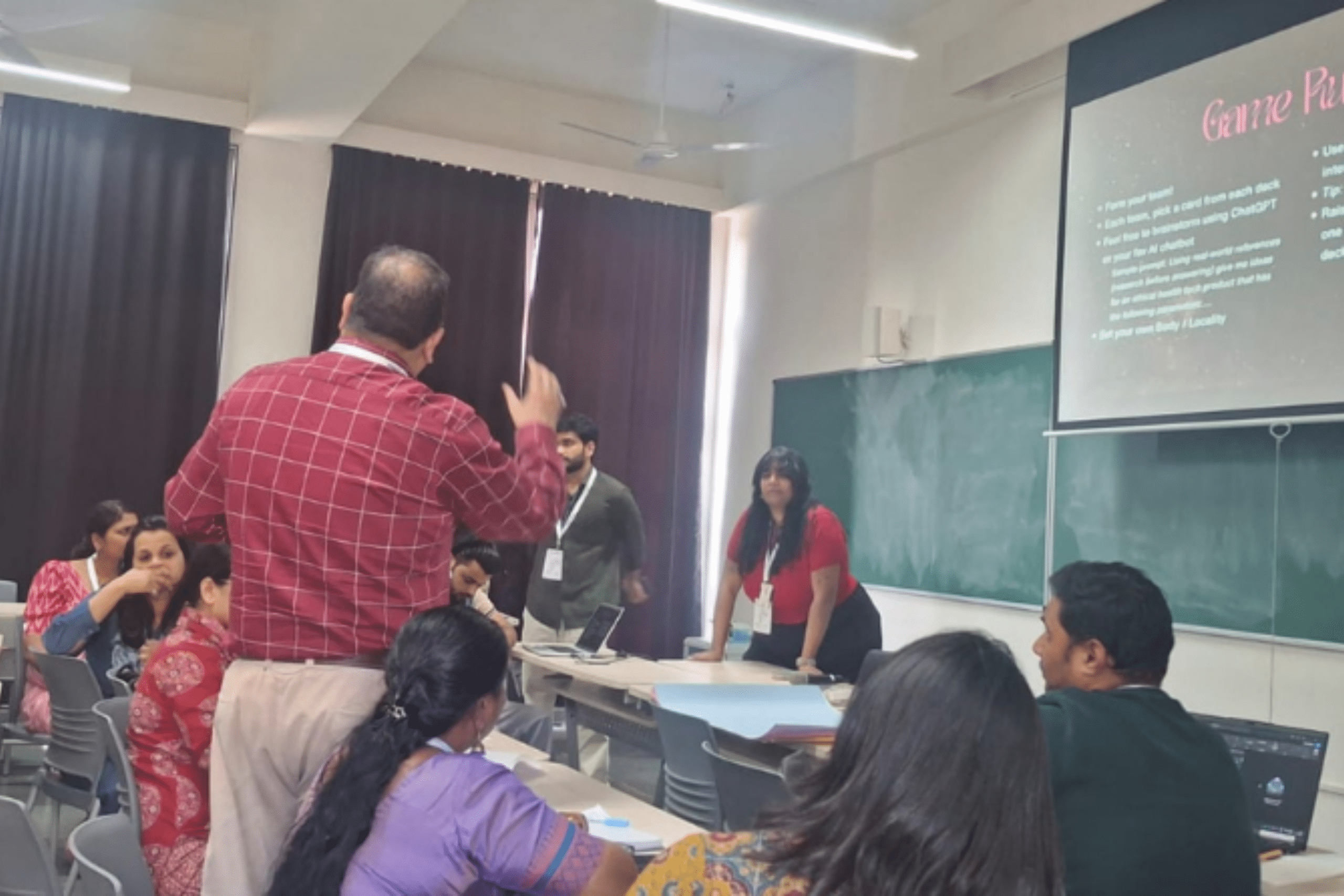
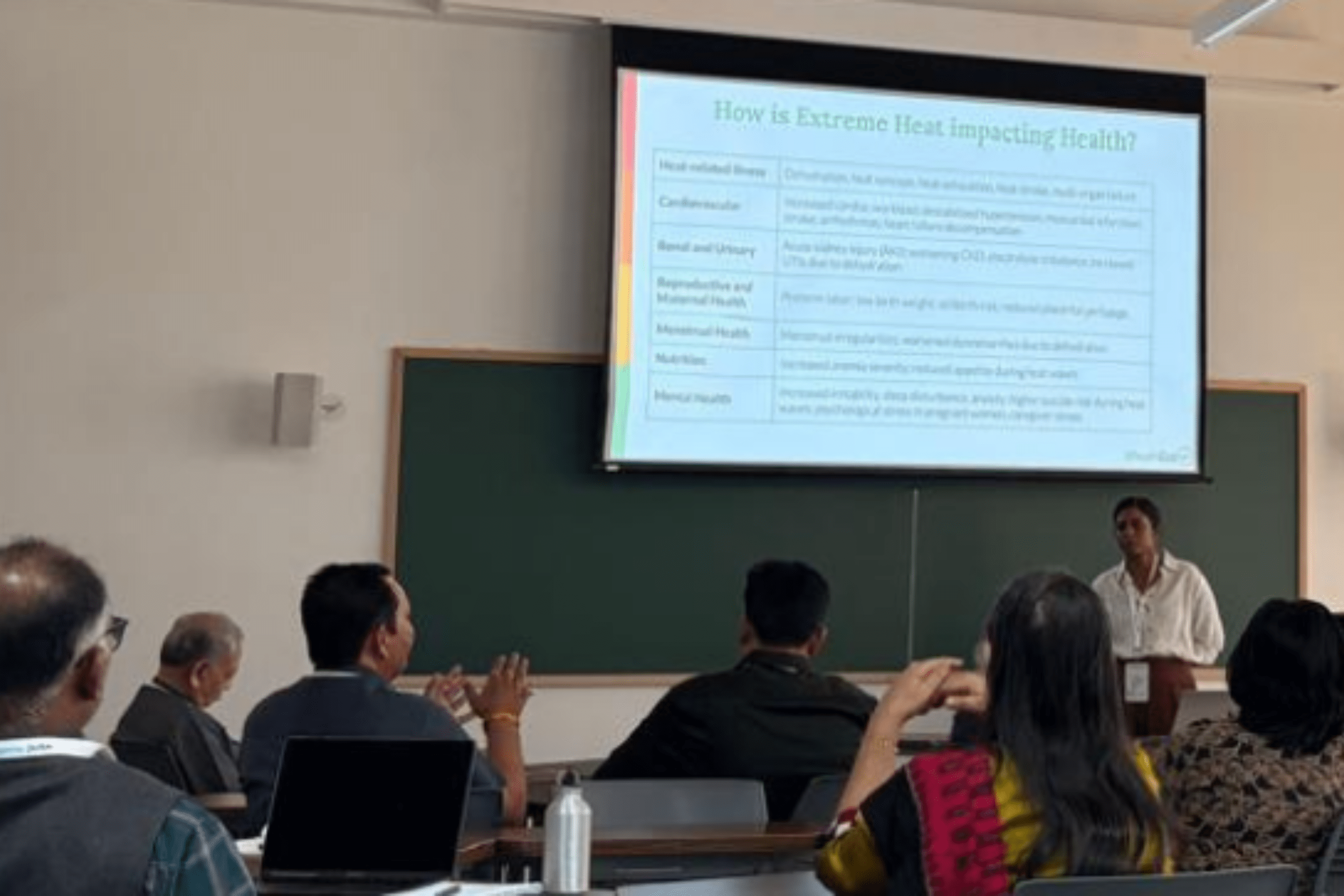
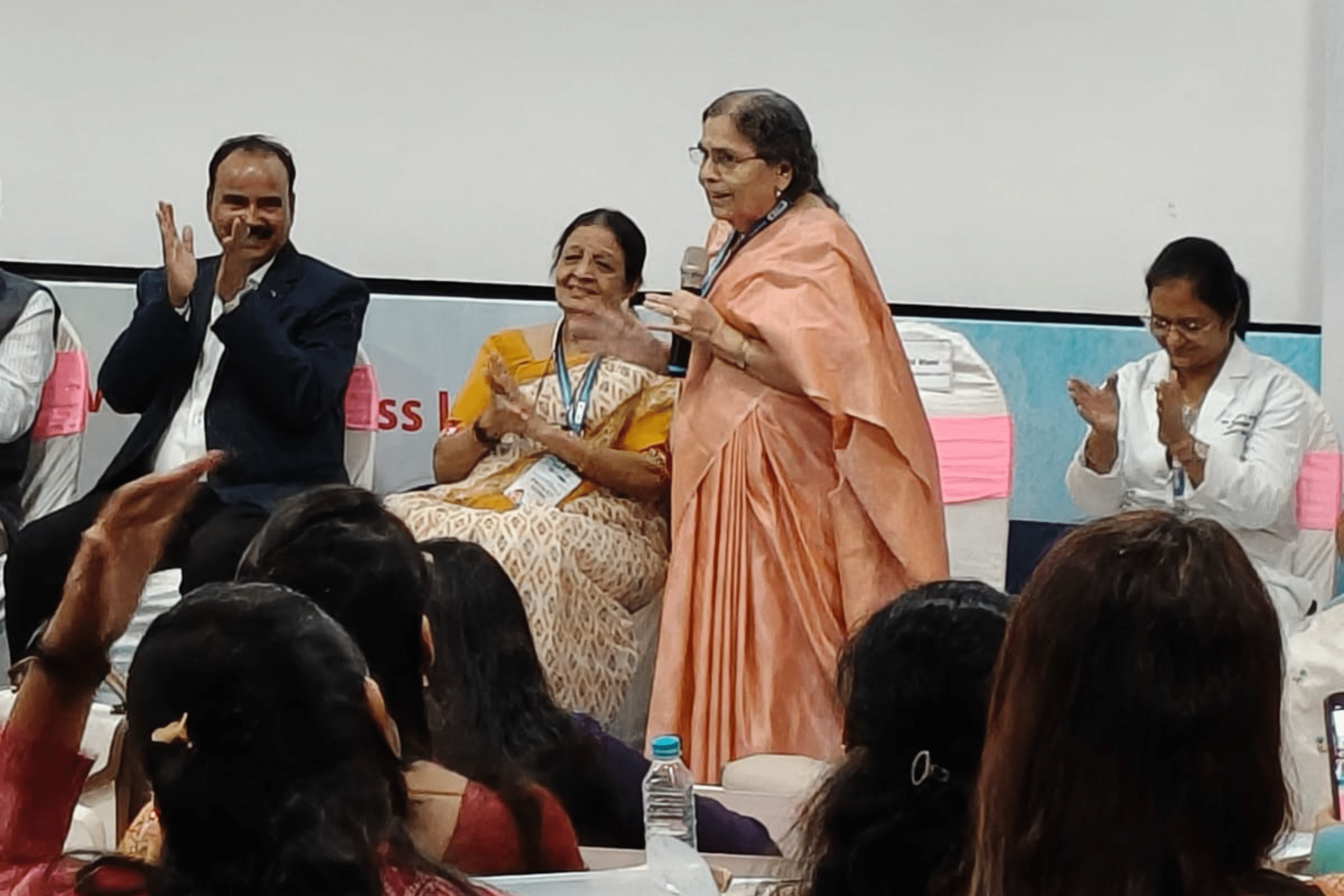
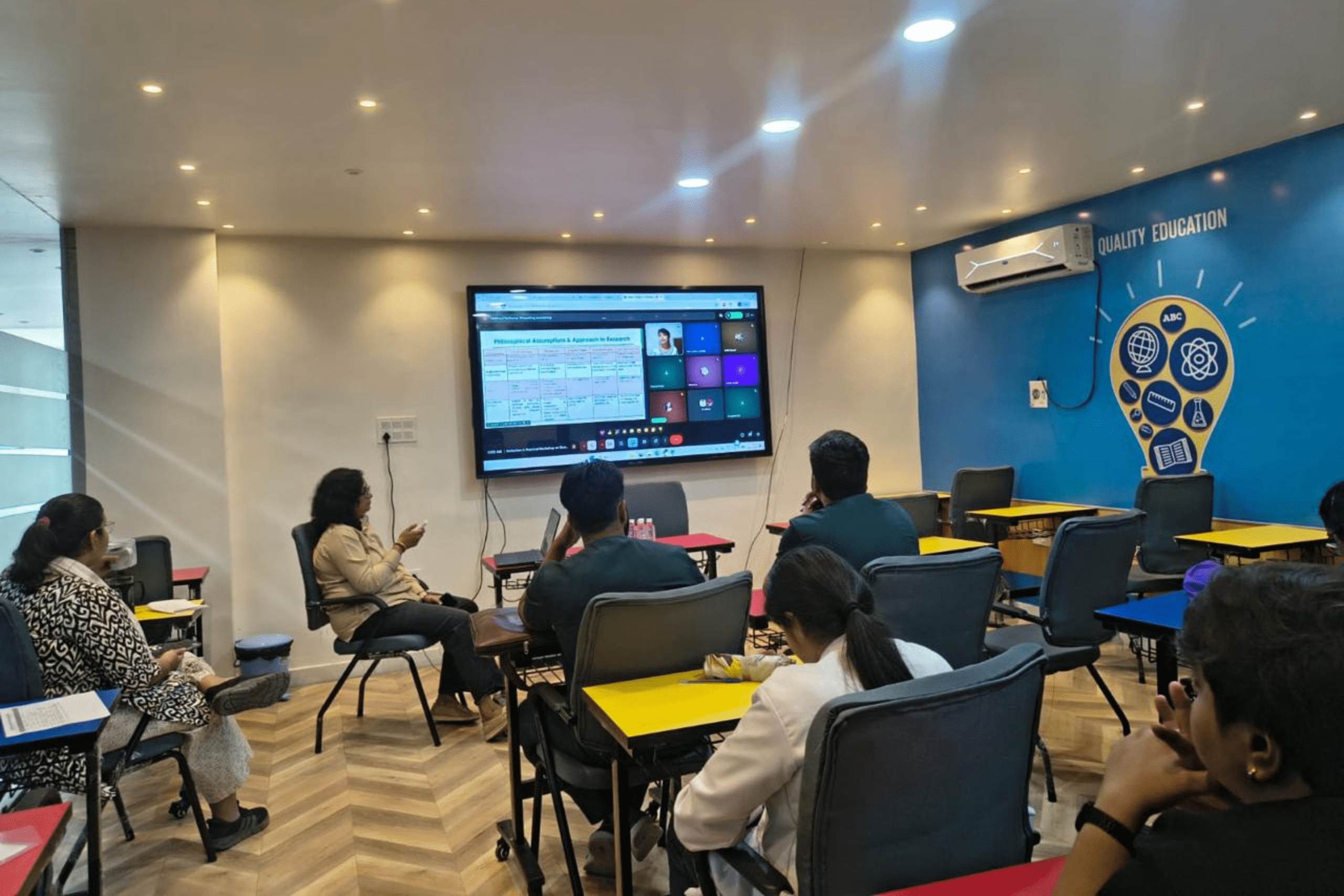
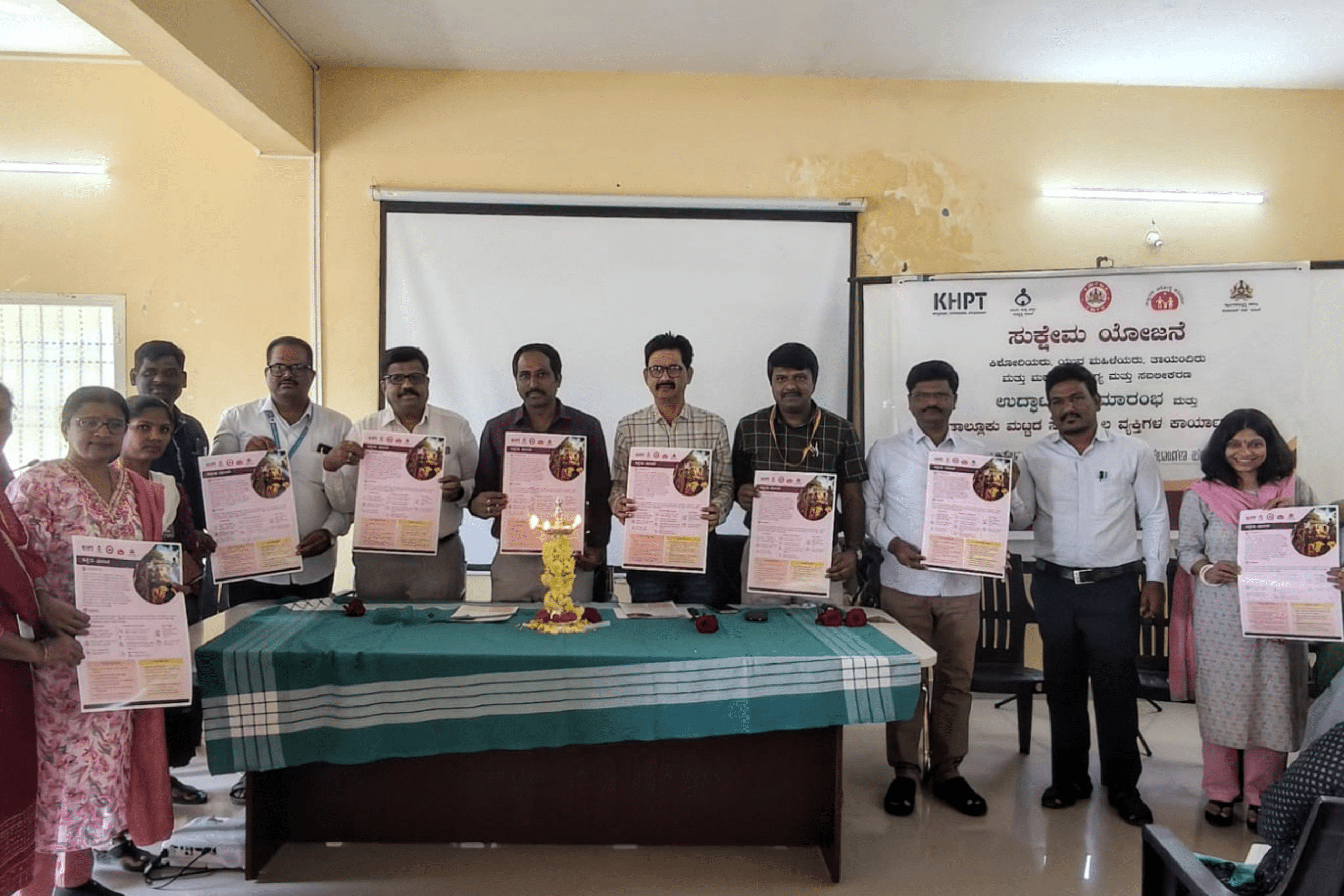
The session was thoughtfully curated by KHPT in collaboration with the Wipro Foundation as part of the Wipro Healthcare Partners Forum under “She Matters: A Day of Dialogue, Insights, and Hands-on Learning on Gender and Women’s Health.” The session was held on 17th February 2026 at the Azim Premji University campus.
The discussion, facilitated by Kachina Chawla (Lighthouse Health Solutions), explored the prevalence of reproductive health concerns beyond maternal and child health. Emphasizing a more inclusive approach, the session underscored the need to address reproductive health from adolescence through perimenopause and menopause—stages that continue to remain underserved within existing programmes.
The panel featured the following speakers:
T S Padmapriya (Sanitation First India, Tamil Nadu)
Dr Annamma Thomas (St Johns Medical College, Bangalore)
Key issues discussed included inadequate reproductive health education at the school level, rising adolescent concerns such as PCOD and endometriosis linked to lifestyle factors, persistent anaemia and nutritional deprivation, and limited access to timely and specialized care. Stigma surrounding infertility, therapeutic use of contraceptives, sexual health concerns, and menopause was identified as a major barrier to care- seeking. The session also highlighted provider insensitivity, self-medication in urban settings, and the normalization of pain and symptoms among women, particularly in later life stages. Special attention was drawn to vulnerable groups, including persons with disabilities and transgender individuals, who face compounded stigma and access barriers.
The discussion also highlighted important distinctions between urban and rural reproductive health contexts. In rural areas, limited access to specialised services, inadequate WASH infrastructure, nutritional insecurity, and reliance on public facilities often delay diagnosis and restrict treatment options, sometimes leading to irreversible interventions such as early hysterectomy. Social stigma and limited autonomy further constrain women’s care-seeking.
In contrast, urban settings, while offering relatively better service availability, present challenges such as self- medication, fragmented care, lifestyle-related risk factors, and persistent stigma despite higher literacy levels. The session underscored that strategies must therefore be context-responsive, addressing structural access gaps in rural areas and behavioural and systemic barriers in urban environments.
Participants underscored the need for life-course, community-centric approaches that integrate psychological support, strengthen provider preparedness, and actively engage men in reproductive health conversations. Schools and colleges were identified as critical platforms for early education, while structured menopause education, cervical cancer prevention through screening and HPV awareness, and improved sexual health counselling were prioritised. The session concluded with a call to move from a treatment-centric model to a preventive, equitable, and stigma- free reproductive health framework.