India bears the greatest burden of tuberculosis (TB) globally, with a quarter of all TB patients. There are about 2.4 million notified TB patients in the country, while almost 40% of the Indian population has latent TB infections.
The approach to TB prevention, care and support in India is largely biomedical, although TB patients suffer socio-economic consequences such as stigma and job loss which affect their adherence to treatment. The management of latent TB infections (LTBI) is yet to gain momentum in the country. The way forward is to engage with the private sector and enable community relationships; while there have been some successes, we still have a long way to go.
Our Approach
KHPT’s TB interventions place patients in the centre, supported and surrounded by an ecosystem of family and community. The ongoing Breaking the Barriers project, funded by the United States Agency for International Development employs a socio-ecological approach, a social approach that recognizes the structural and underlying barriers to desired behaviours that exist within specific vulnerable population groups. The project’s operational framework focuses on promoting the health and wellbeing of the TB patient and caregiver community in an enabling environment.
KHPT’s TB interventions are being implemented in Karnataka, Telangana, Bihar and Assam.
Our Achievements
We work in collaboration with the National Tuberculosis Elimination Programme to develop community based, patient-centric models aimed at improving health seeking behaviours, access to healthcare services, TB notification and treatment outcomes as well as stigma mitigation among vulnerable populations.


Prevention of TB among vulnerable populations

Increase TB case notifications

Increase successful treatment outcomes for TB patients
Developing innovative behaviour change operational models that improve coverage of specific vulnerable populations for improved TB treatment outcomes
Addressing Latent TB Infection through increased access to TB Preventive Treatment
About the project:
KHPT has been selected by The Global Fund to Fight AIDS, Tuberculosis and Malaria (the “Global Fund”) key project elements include community engagement, capacity building and technical assistance.
Geography and duration:
The Impact India project will be implemented between 2024-2027 in 14 states and one UT (Assam, Karnataka, Bihar, Telangana, Punjab, Haryana, Uttar Pradesh, Uttarakhand, Himachal Pradesh, Delhi, Rajasthan, Madhya Pradesh, Gujarat, West Bengal and Chandigarh). KHPT will partner with suitable organisations as Sub Recipients (SRs) in implementing the project.
Key activities:
The major interventions of the project encompass
Expected outcomes:
About the project: The project aims to empower vulnerable communities, in terms of TB awareness, demand generation, mitigation of TB stigma faced, and community lead monitoring of TB services, eventually for all health-related services.
Funder: Stop TB Partnership
Geography: Kamrup Metro district of Assam and Bengaluru Urban in Karnataka
Duration: May 2023 to April 2024
Target population: Communities of People Living with HIV (PLHIV), urban vulnerable, LGBTQIA+ communities, garment factory workers, and female sex workers (FSWs)
Key Activities:
Expected outcome: Reduction in TB stigma and increasing access to early diagnosis, treatment and health as a right for persons with TB.
About the project:
India’s National Strategic Plan (NSP) for Tuberculosis Elimination (2017-2025) emphasizes the need for person-centred care and the community’s active participation in ending TB. The National Tuberculosis Elimination Programme (NTEP), which envisions the elimination of TB in India by 2025, recognizes that in order to detect and treat the ‘missing million’ persons with TB, there need to be diverse approaches addressing the varying needs of different vulnerable populations.
‘Breaking the Barriers’ (BTB) is a four year project, supported by the United States Agency for International Development (USAID), which aims to develop innovative and effective behaviour change operational models that improve coverage of specific vulnerable populations including urban vulnerable groups, tribal communities, migrants, mining and industrial workers and tea garden workers, through increased case notification and improved successful treatment outcomes of both drug-sensitive (DS-TB) and drug-resistant TB (DR-TB).
Geography and duration:
The Breaking the Barriers project will be implemented between 2020-2024 in 15 districts across the states of Karnataka, Telangana, Bihar and Assam by KHPT.
Key activities:
Expected outcomes:
Intermediate outcomes
Long-term outcomes
About the project:
Building on the success of the TB Mukt Bharat initiative, implemented by the Government of India, and the Kshaya Muktha Karnataka by the Government of Karnataka, KHPT has been a key player in urban areas, providing technical support to the state government. Notably, KHPT’s Breaking the Barriers (BTB) project has been instrumental in overcoming the challenges associated with TB elimination in India. In continuation of this, KHPT is now working to demonstrate the development of comprehensive models for TB-free wards in Mysuru city, in collaboration with the National TB program.
The project focuses on urban settings to identify solutions, collaborate with local urban administrative entities, and implement the TB Resilient Ward concept within selected urban geographies. The initiative will strive to enhance healthcare access for vulnerable populations and support the creation of a comprehensive TB Resilient Ward model. Lastly, KHPT will also focus on strengthening urban local bodies (ULBs) and stakeholders and encouraging community engagement and ownership in TB Resilient Wards. ULBs and community groups like the Mahila Arogya Samithi (MAS) will be empowered to engage in the decision-making processes pertinent to urban TB control.
Geography: Three Urban Primary Health Centres (UPHCs) covering nine wards of Mysuru district
Duration: April 2024 – March 2025
Donor: United States Agency for International Development (USAID)
Key Activities:
Expected outcomes
About the project:
India bears a quarter of the global burden of TB and it is estimated that 40 percent of the country’s population harbours the ‘silent infection’ of Latent TB. Latent TB Infection (LTBI) occurs when the TB bacteria in the body are inactive. Persons with LTBI do not have symptoms and are not contagious. However, there is a risk of such persons developing active TB, especially if they have certain medical conditions which weaken the immune system, are underweight or malnourished, or use alcohol and tobacco products. The progression of LTBI into Active TB Infection can be prevented by the Provision of TB Preventive Treatment (TPT) to high-risk groups among whom TB infection has been ruled out. The Programmatic Management of TPT (PMTPT) is being given greater importance by the National Tuberculosis Elimination Programme (NTEP) to accelerate the decline in new TB cases with the goal of TB elimination by 2025.
The Joint Effort for Elimination of Tuberculosis (JEET) 2.0 JEET Project aims to address LTBI through the demonstration and scale-up of models for improving access to TPT to all child and adult contacts of index TB cases (the first person to be identified with TB in a particular setting). The project will address the LTBI burden by household contact tracing of all persons with pulmonary TB receiving care in the public and private sector, ensuring access to quality care by intensive household contact tracing, offering contacts screening and testing for disease and infection, and creating linkages to treatment and adherence support. KHPT is an implementing partner of FIND, which is funded by the Global Fund to Fight Against AIDS, Tuberculosis and Malaria (GFATM).
Geography and duration:
JEET 2.0 is being implemented between April 2021 and March 2024 in the six Karnataka districts of Bijapur, Bagalkot, Belgaum, Bengaluru City, Bengaluru Urban and Bengaluru Rural.
Key Activities:
Expected Outcomes:
The development and scale-up of models and approaches which:

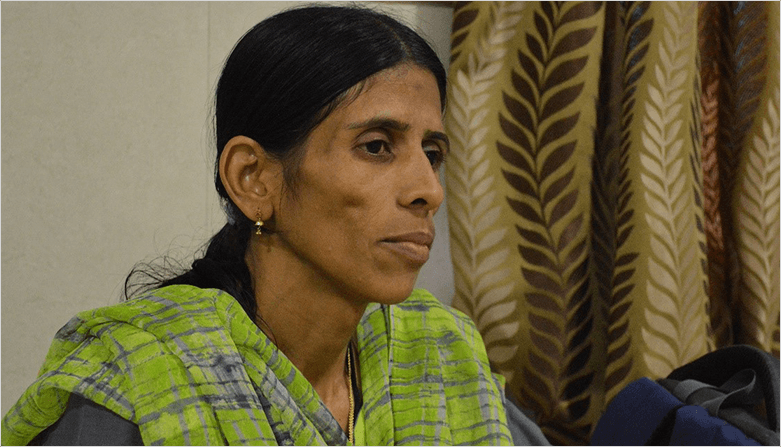
“My husband had TB three times and died. He never took treatment properly; he would throw his medication in the gutter. I lost a valuable person. After getting TB, people think their life is over; they get depressed and stop eating. I can tell them
that even though I have HIV, I have never got TB because I look after myself ”
Secretary of the Navjyoti Network for Persons Living with HIV in Koppal.
She is working with KHPT under its community structures initiative which aims to engage established community organizations to take ownership of TB control in their areas.

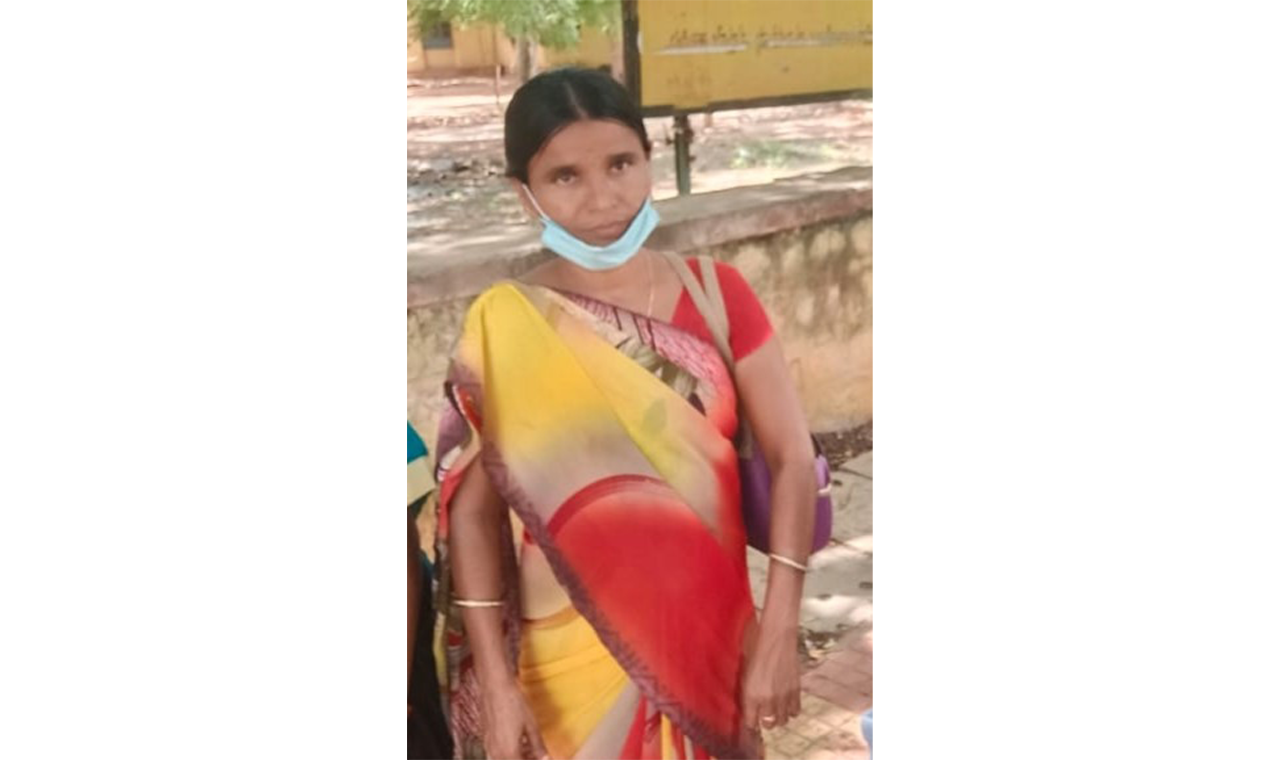
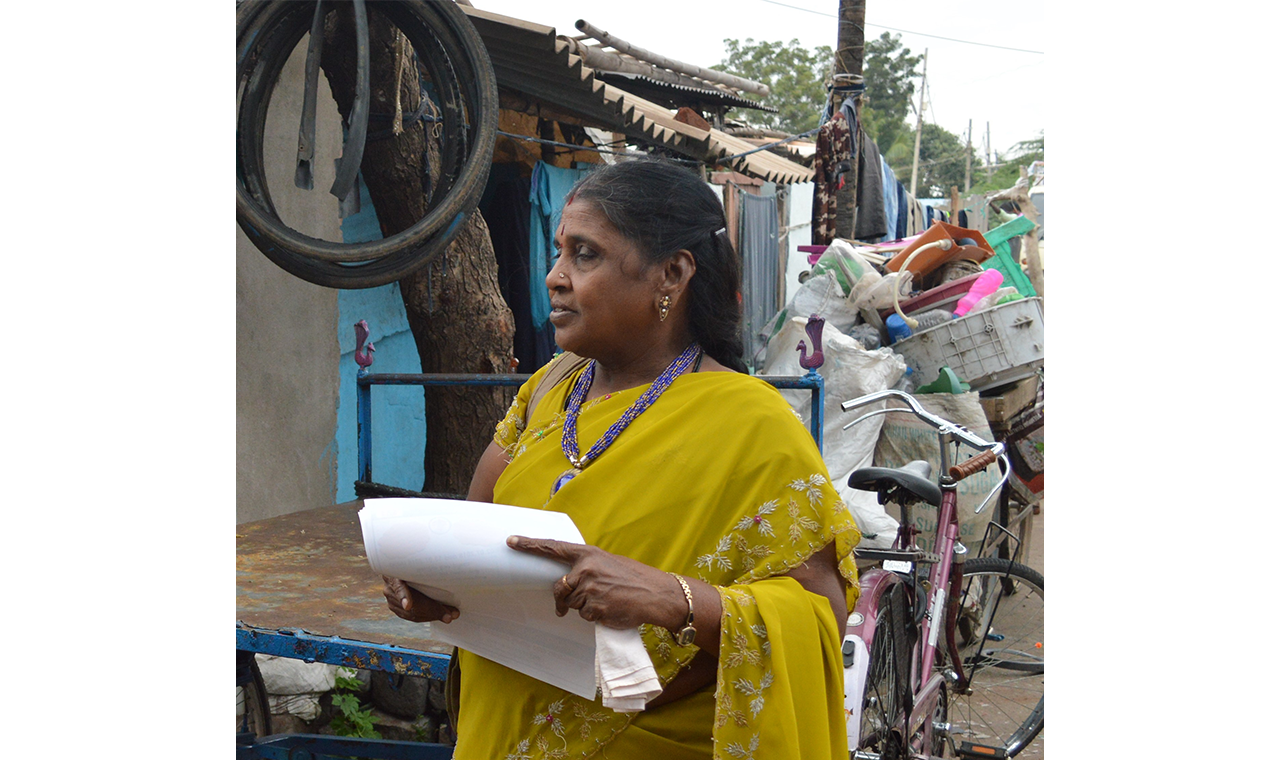
“I am motivated to work with the community as I feel one among them. They treat me with utmost respect and dignity. I work in slums where people live in poverty and I feel good when I can enlighten them through knowledge and help patients get cured of TB,”
A community health worker who worked with KHPT in Bengaluru during the THALI project

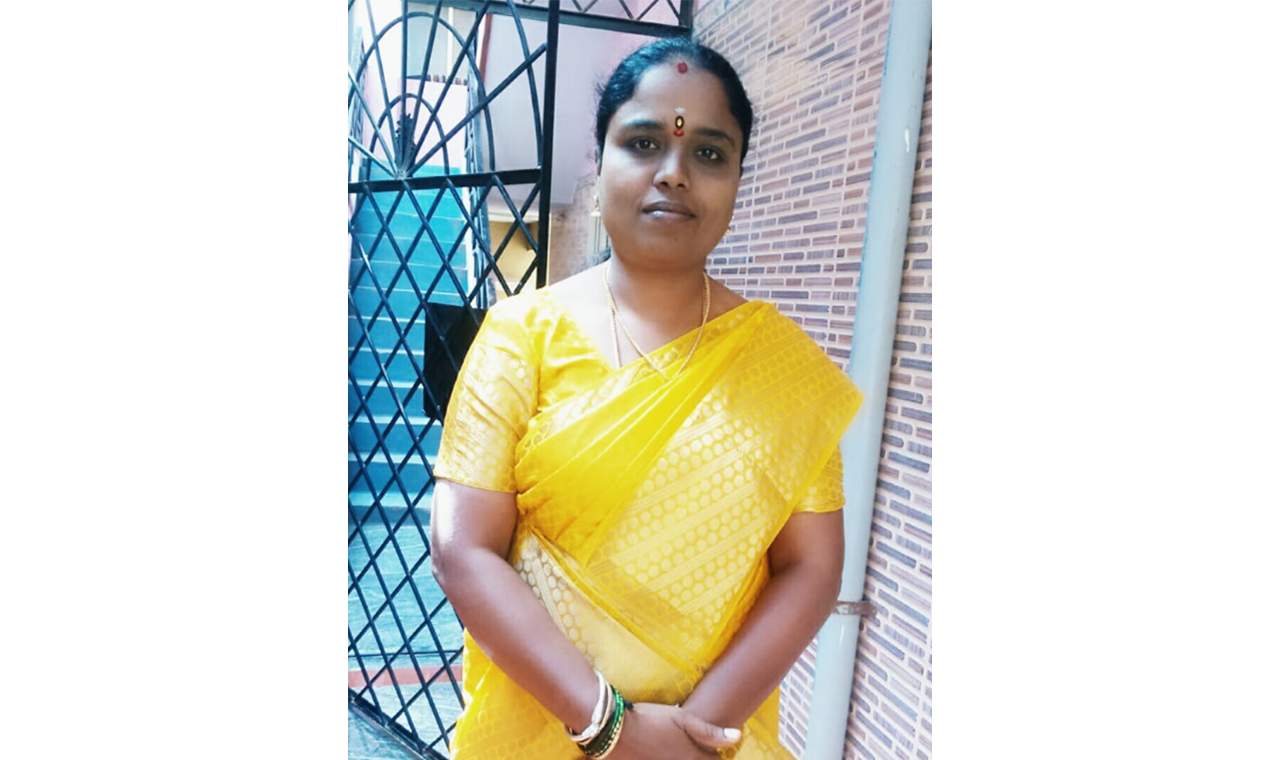
“Most PLHIVs are neglected both in society as well as in the family. Adding to this stigma, TB is another great challenge we face. Motivating other patients makes me stronger. My biggest achievement as a TB Champion is that I was successful in motivating a bedridden TB-HIV patient to adhere to treatment and get cured of TB, ”
Nagaratna works with a network of persons living with HIV in Koppal and is a TB Champion in her community.

“Earlier, we were keeping TB patients away separately from the living area because of fear but now (after interacting with community health workers), we came to know that we are doing wrong. TB is a curable disease. If the person takes medicines regularly, there is no need to keep him separately.”
President of Sri Sai Mahila Sangh, a Self-help Group partnering with KHPT in Koppal district

Increasing TB case finding and improving TB treatment outcomes using a patient-centred approach to care and treatment support in urban settings
Engaging community-based providers to improve TB services for vulnerable populations
Strengthening private providers’ capacities in TB prevention and care
Enabling partnerships between the public and private sectors for better TB care and support
About the project: The project aimed to empower vulnerable communities, in terms of TB awareness, demand generation, mitigation of TB stigma faced, and community lead monitoring of TB services, eventually for all health-related services.
Geography: Ballari, Bagalkot and Belgaum districts of Karnataka
Duration: December 2021 – November 2022
Target population: The project covered three vulnerable communities, the urban vulnerable, People Living with HIV and mining communities.
Objectives:
Key Results:
One fourth of the global TB burden lies in India. A large proportion of these cases have not been reported to Nikshay, the national registry for monitoring TB patients. These ‘missing’ cases may be undiagnosed or receiving non-standardized treatment.
Patients receiving non-standardized treatment or individuals who discontinue treatment run the risk of developing Drug Resistant TB (DRTB). This is a major obstacle to effective TB care and prevention,
THALI was a patient-centric family-focused TB prevention and care initiative that aims to facilitate vulnerable populations’ access to quality TB services from health care providers of the patient’s choice.
The four-year (2016-2020) project was funded by the United States Agency for International Development (USAID).
THALI was implemented by Karnataka Health Promotion Trust (KHPT), in partnership with TB Alert India (TBAI), in Karnataka, Telangana and Andhra Pradesh.
Implementation
1. To demonstrate community-centred and community-driven interventions to improve health seeking behaviour and service delivery to increase TB case finding and treatment outcomes among vulnerable people diagnosed and initiated on treatment for TB.
2. To support and develop capacity of the National Tuberculosis Elimination Programme (NTEP), and leverage public resources to improve access to acceptable and quality TB services from public and private care providers, thereby increasing case finding and improving treatment outcomes.
3. To develop and demonstrate models and innovations for patient care and support which may be scaled up and replicated. These new models and innovations are designed to fill in gaps, or address challenges, in the health system and aid community health workers (CHWs) and NTEP staff in providing TB treatment, care and support.
The Government of India was focused on scaling up access to MDR-TB
diagnostic and treatment services to over 750 million people by 2015. Project Axshya (meaning ‘free of TB’) was launched in April 2010 as the civil society component of a five year project funded by a Round 9 grant from the Global Fund to Fight AIDS, TB and Malaria (The Global Fund). Axshya aimed to support the Government of India’s Revised National Tuberculosis Control Programme (currently known as the National Tuberculosis Elimination Programme) to expand its reach, visibility and effectiveness.
Axshya engaged community-based providers to improve TB services, especially for women and children, and marginalised, vulnerable and TB- HIV co-infected populations. Axshya was coordinated by two civil society representative organisations, the International Union against Tuberculosis and Lung Disease and World Vision India. KHPT implemented the initiative in Karnataka from 2010 to 2015.
Globally, one in four persons with tuberculosis (TB) lives in India where an estimated 2.1 million develop TB each year and 240,000 die of the disease. An estimated one million people in India with active TB are ‘missing’, and believed to be managed by private health providers. Such patients are not notified to health authorities and are presumed to be poorly managed.
Context
The private sector is the first point of contact for health services for the majority of people in India accounting for 60 to 80 per cent of outpatient health care in India. However, only two per cent of all patients referred for TB diagnosis and testing are from the private sector. This relatively low number of referrals suggests that a significant number of patients are receiving TB treatment in the private sector. Many patients with TB, especially those on private treatment, but including beneficiaries of DOTS, the strategy implemented by India’s Revised National Tuberculosis Control Programme (RNTCP), receive inadequate or inappropriate treatment support. This result in treatment non-compliance, sub-optimal treatment outcomes, spread of infection and increased risk of drug resistance.
Implementation
The intervention demonstrated an interface mechanism to improve access to quality TB services by engaging and building the capacity of private healthcare providers. It focused on engaging the urban slum community to raise awareness, building capacities of the private providers and bridging gaps between the private and public healthcare sectors. A successful adaptation of the public private provider interface (PPIA) model, developed by Bill and Melinda Gates Foundation in 2013, it was funded by USAID.
KHPT implemented the project from 2014 – 2015 in 42 towns across 12 districts in Karnataka in collaboration with Abt Associates.
Impact
The programme resulted in:
The Market-based Partnerships for Health aimed to improve the environment for commercial sector engagement in key priority health areas by forging partnerships between the private and public sectors. It used a social franchising model to create and expanded the network of private providers on a large scale to adopt DOTS referral, diagnosis and treatment policies. KHPT implemented the project, funded by USAID through Abt Associates, Delhi, from 2011 to 2012.
A high intensity community outreach plan covered 50 per cent of the targeted population in urban slums in 13 districts in Karnataka. The communities were mobilised to substantially reduce gaps in knowledge, improve their ability to access TB services and successfully adhere to treatment as mandated by the protocols. A systematic, collaborative sustainability plan was designed with the Revised National Tuberculosis Control Programme (RNTCP) for eventual transition to the government.