March 27, 2026
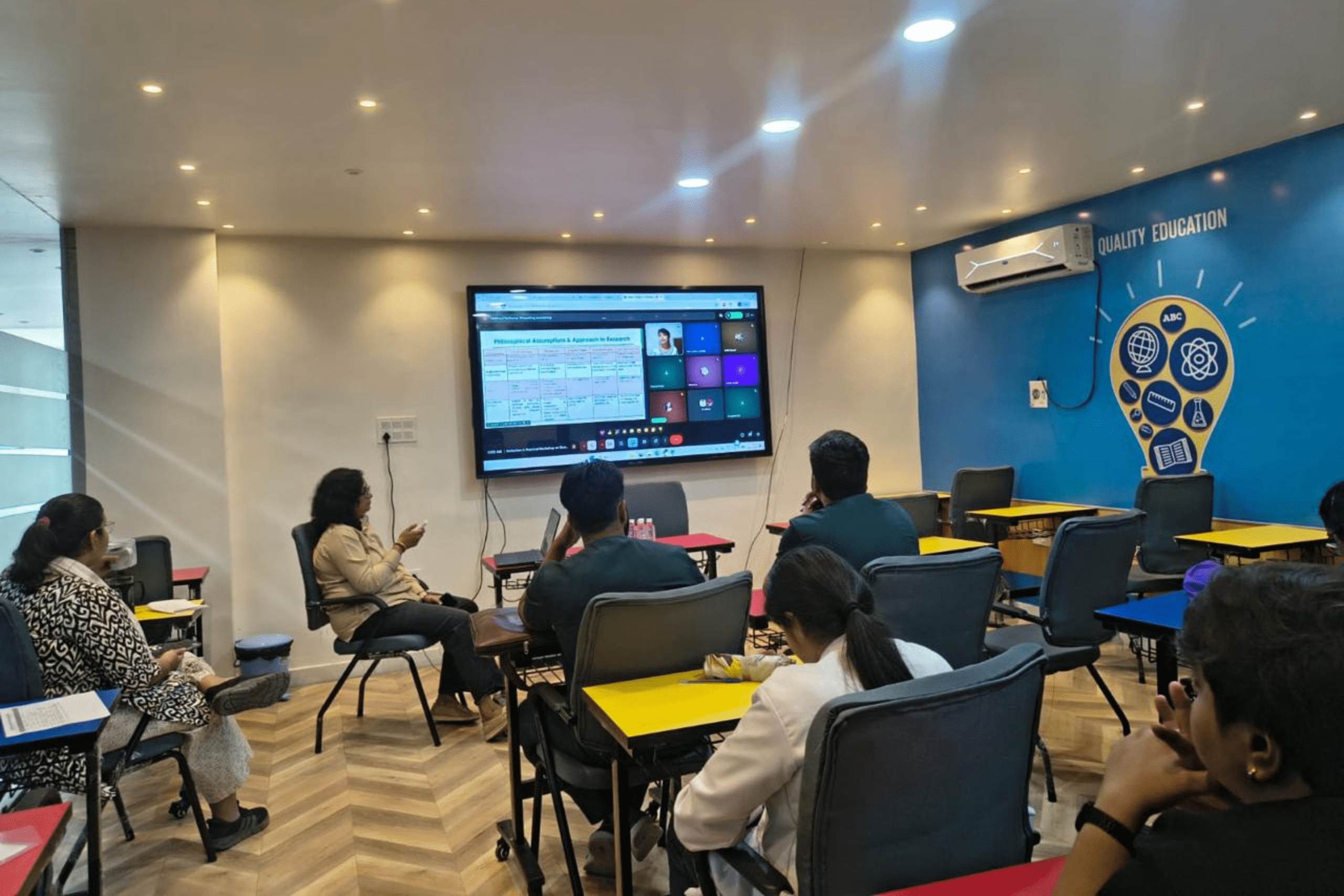
The workshop was thoughtfully curated by KHPT in collaboration with the Wipro Foundation as part of the Wipro Healthcare Partners Forum under “She Matters: A Day of Dialogue, Insights, and Hands-on Learning on Gender and Women’s Health,” and was held on 17th February 2026 at the Azim Premji University campus.
Anchored by Tarana Reddy and Ishan Hendre from the Museum of Imagined Futures, this session examined the role of speculative thinking in reimagining more ethical and human-centred futures for digital health interventions. By positioning imagination as a critical tool, it encouraged participants to move beyond sector fatigue and question dominant technological pathways. The workshop opened with a short fiction film set in a remote village, depicting an intergenerational narrative of a midwife and a grandmother, and foregrounding themes of urgency, care, and systemic constraints in maternal health.
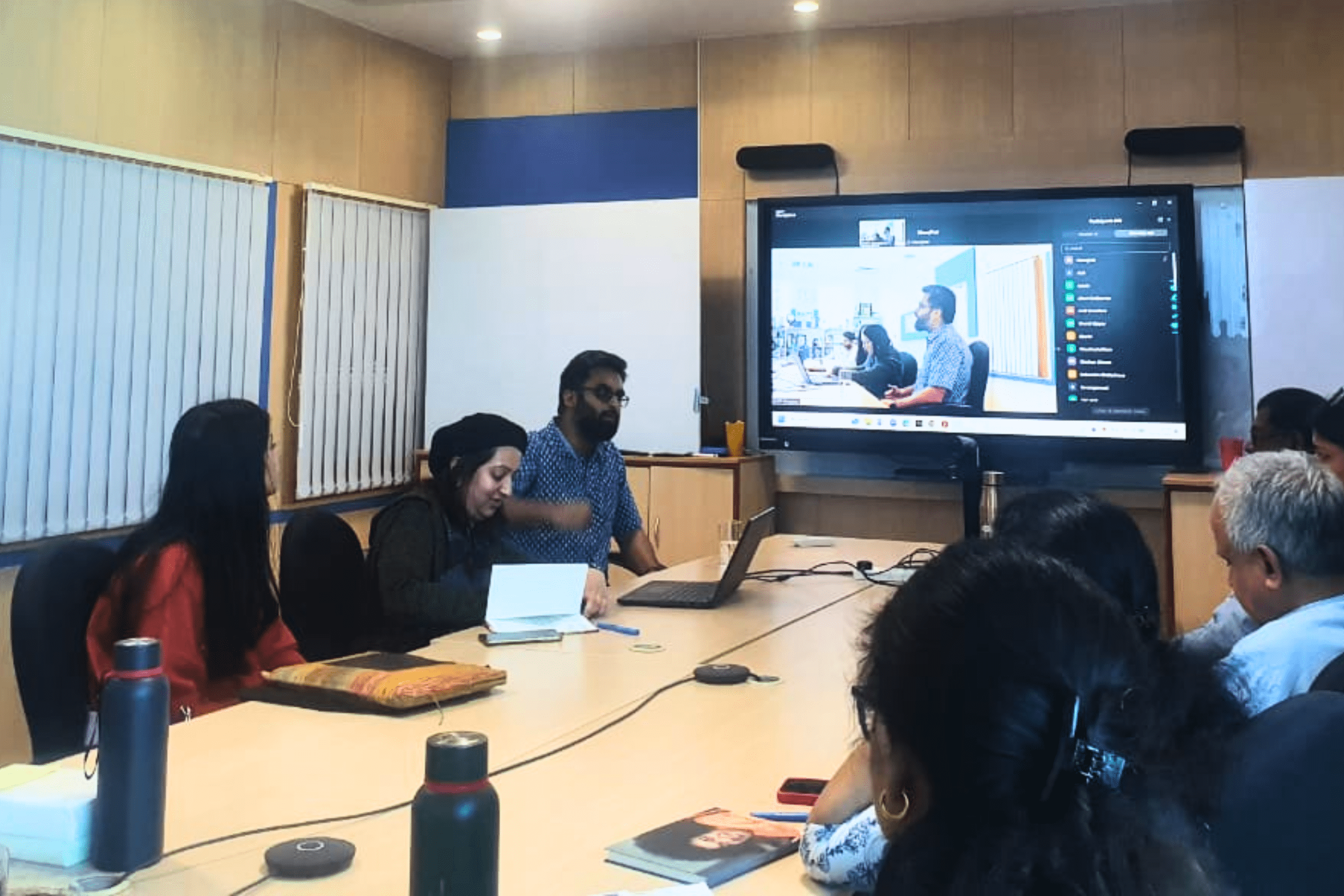
Participants then engaged in the core activity, “Dreaming the Machine,” where small groups designed an ethical digital health solution using assigned parameters (setting, interface, and locality). One group conceptualised a pharmacy-based solution supported by cloud-based data storage, while another proposed solution incorporating structural insights on responsible health technology design. The activity emphasised ethics-by-design, ensuring that ethical considerations are integrated into the design process rather than treated as an afterthought. Crisis simulations tested whether proposed solutions remained safe under failure conditions, such as misdiagnosis.
The exercise also highlighted key requirements for health technologies, including clear accountability, robust data governance, strong harm- prevention mechanisms, and data security. Participants discussed critical aspects such as data storage (cloud vs. local systems), types of data collected, including personal and health identifiers, informed consent and user rights (opt-in/opt-out and withdrawal), data backup and recovery systems, and preparedness for data breaches through incident response and user protection protocols.
A cross-team ethical review further interrogated solutions through questions on data security, consent, governance, storage, breach preparedness, and accountability. The session underscored ethics-by-design, the importance of testing technologies under failure conditions, and the need to critically examine trade-offs rather than assuming technological neutrality. Overall, the workshop reinforced that digital health innovation must prioritize agency, human realities, strong data governance, and harm prevention from the outset.