March 28, 2026
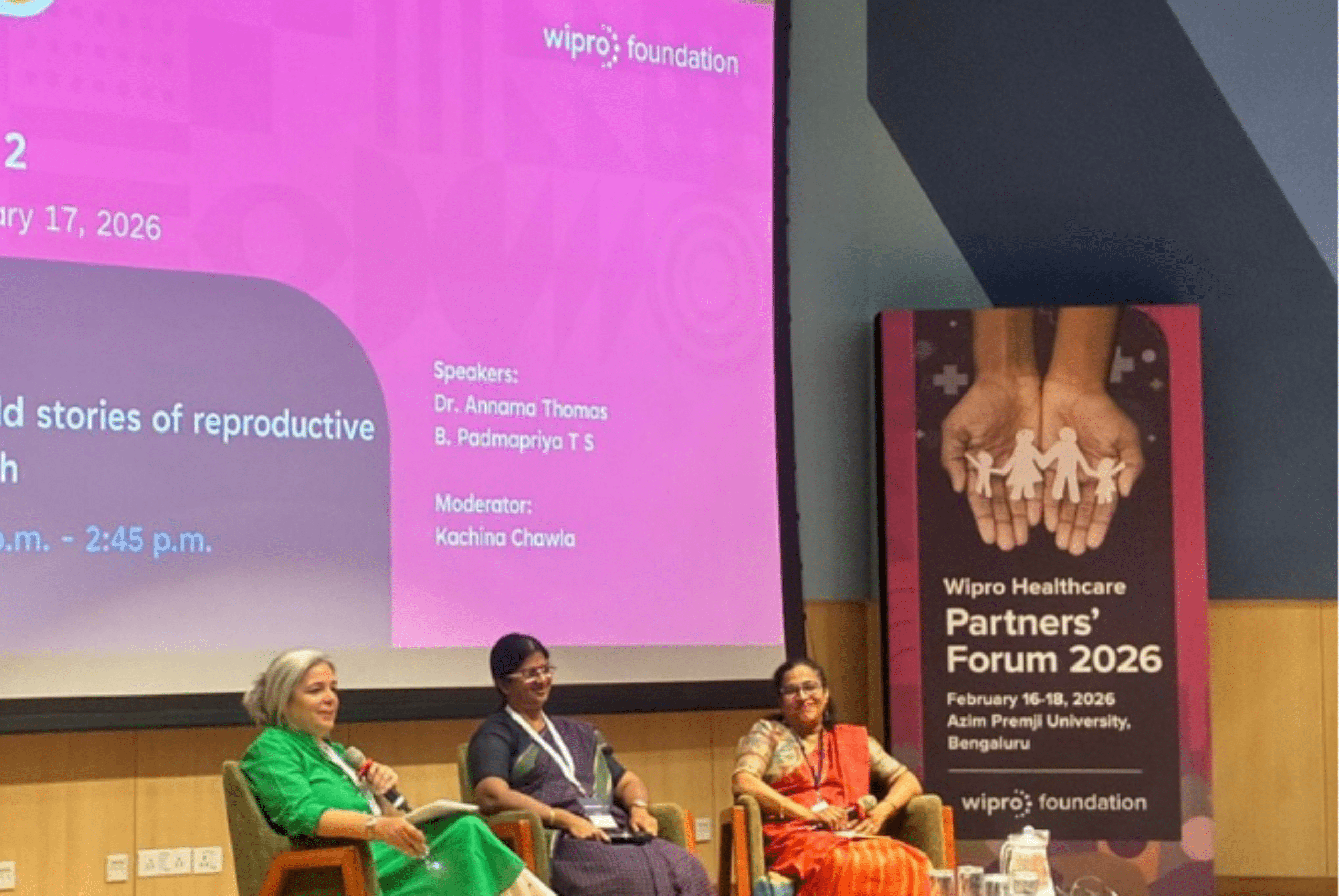
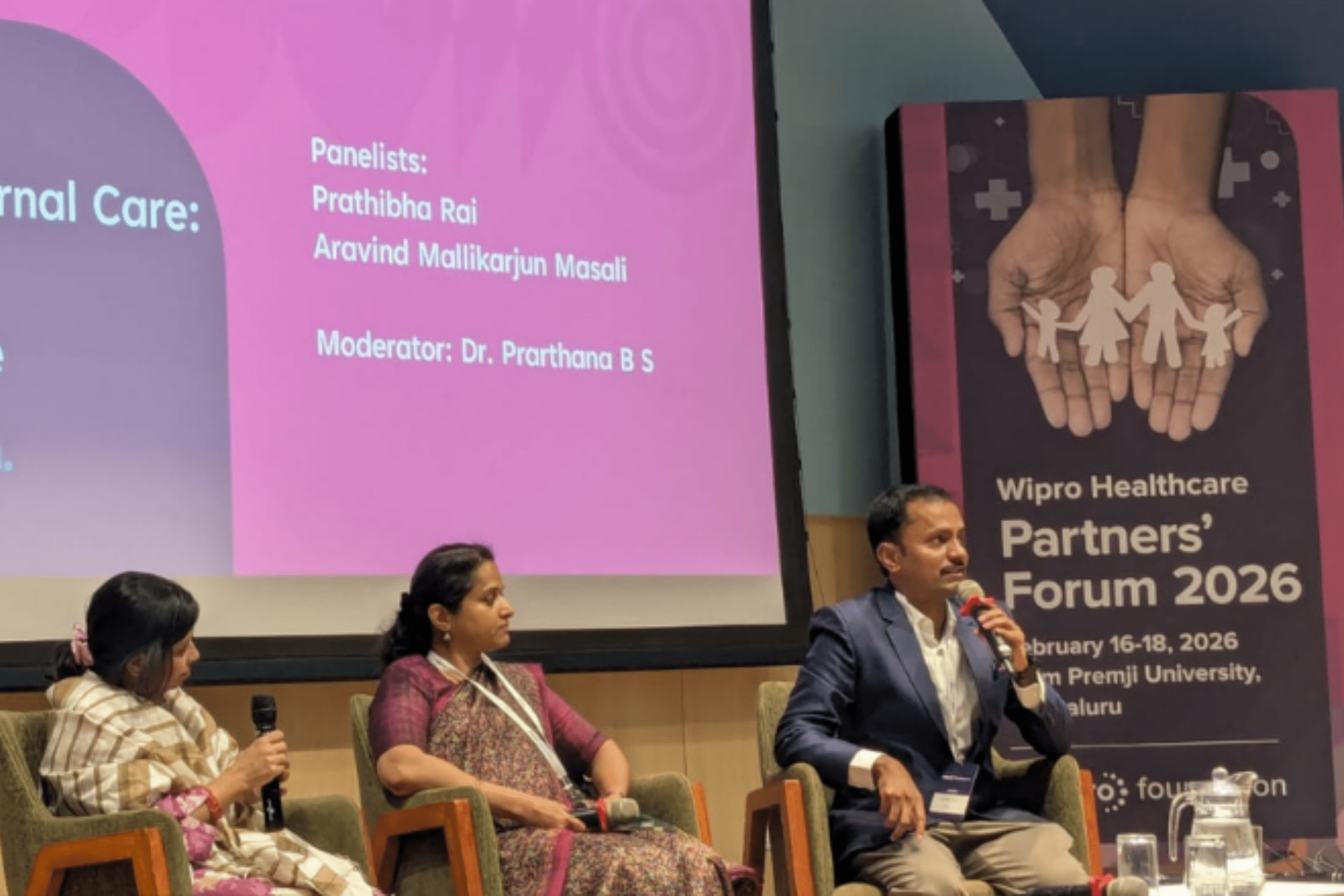
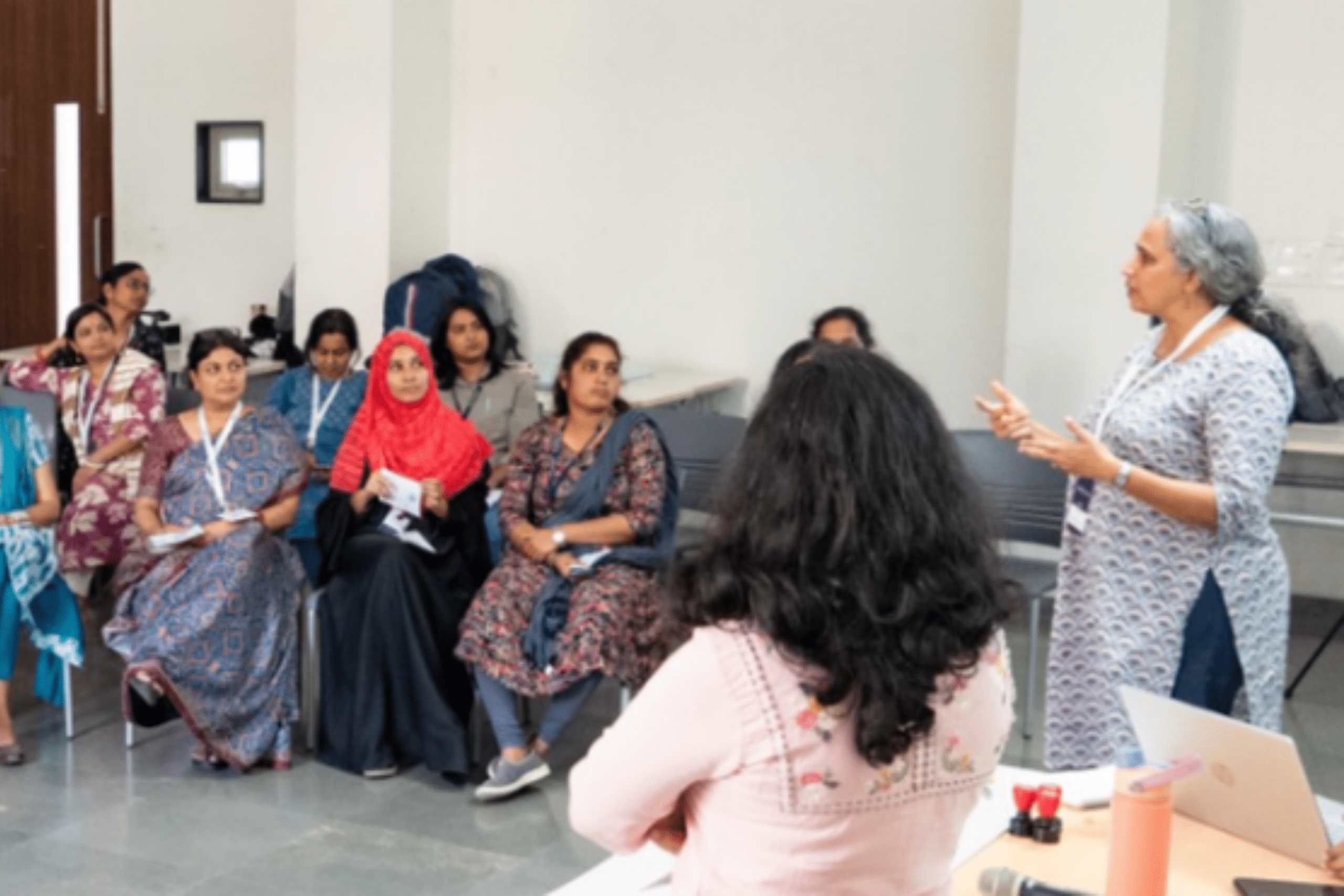
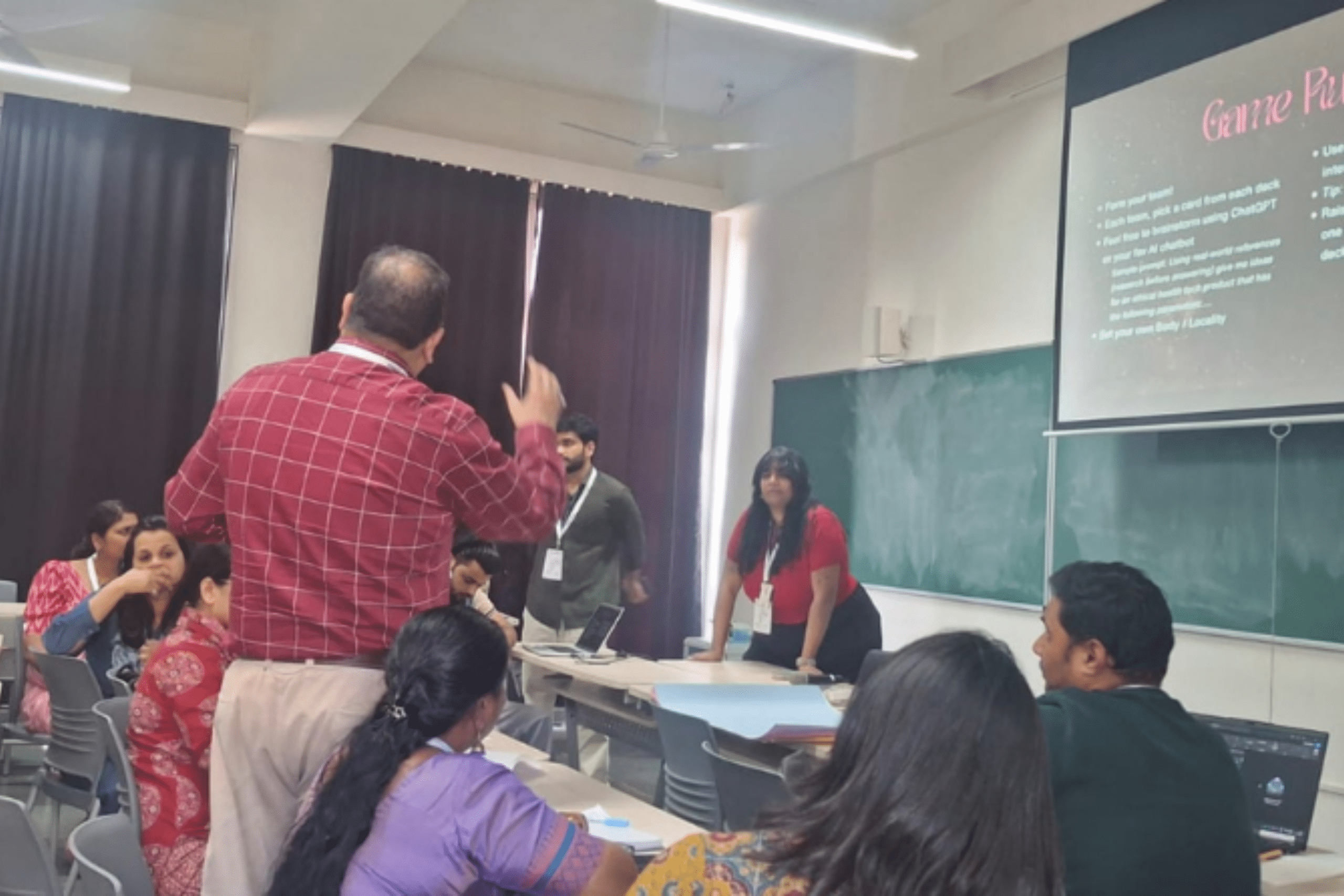
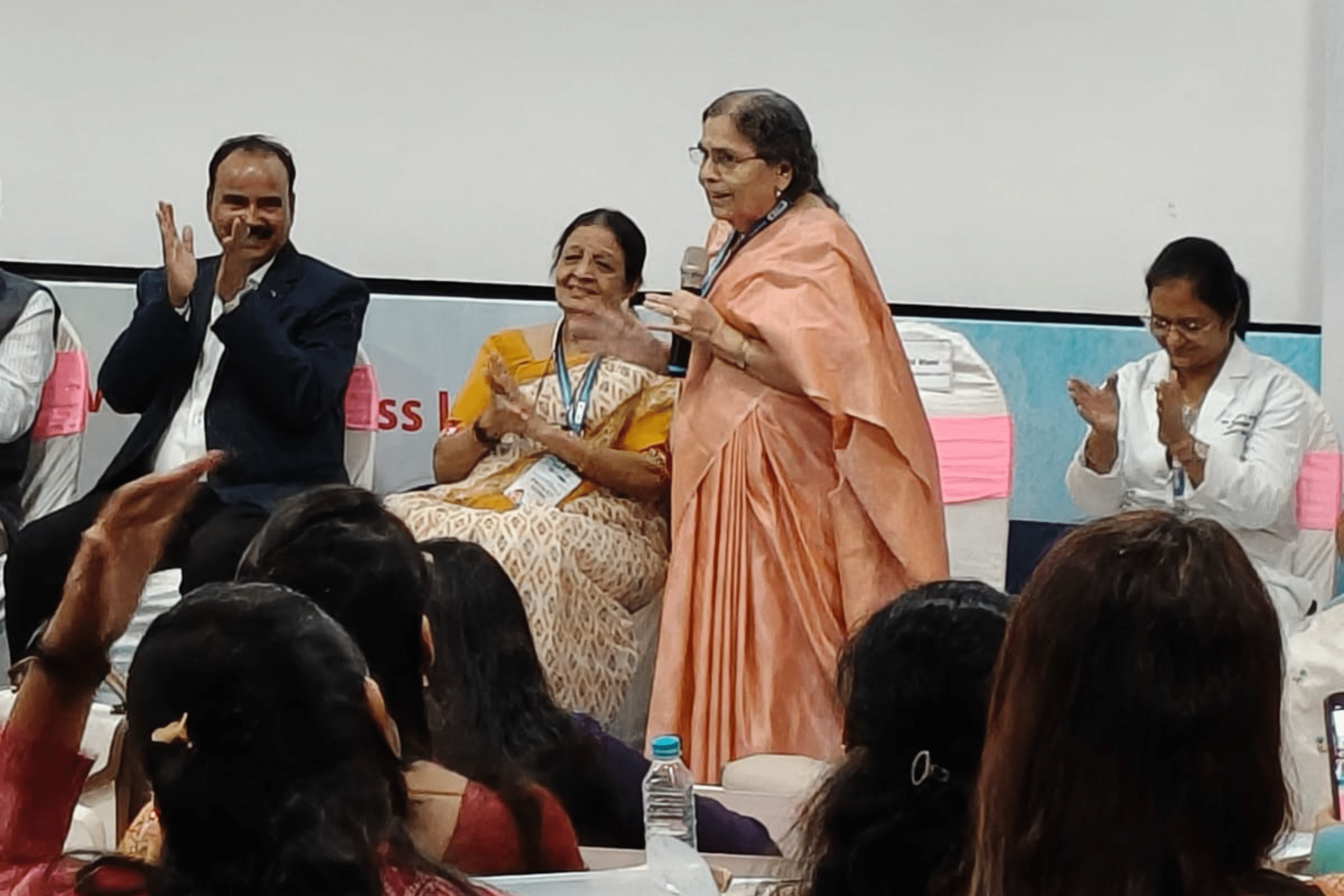
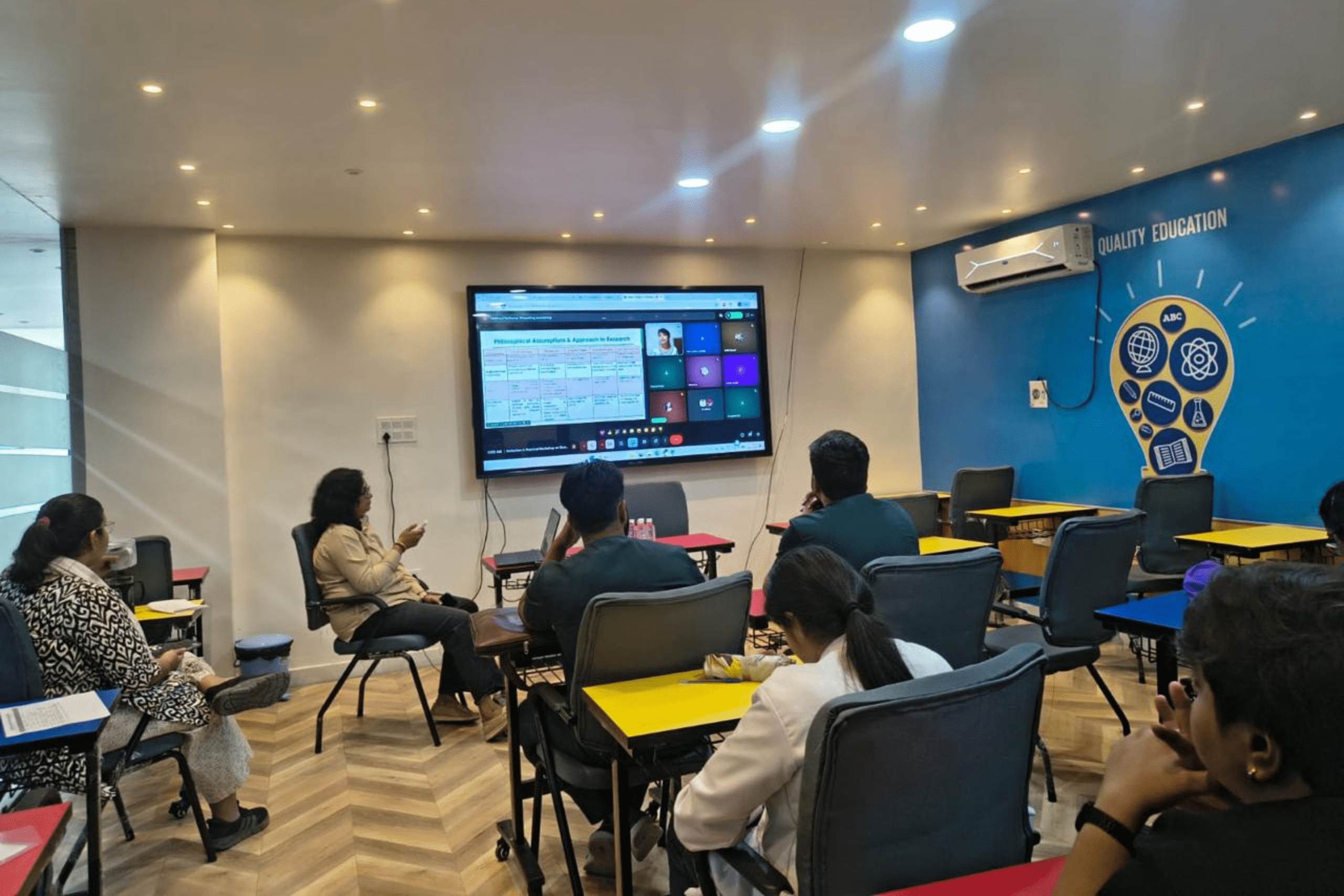
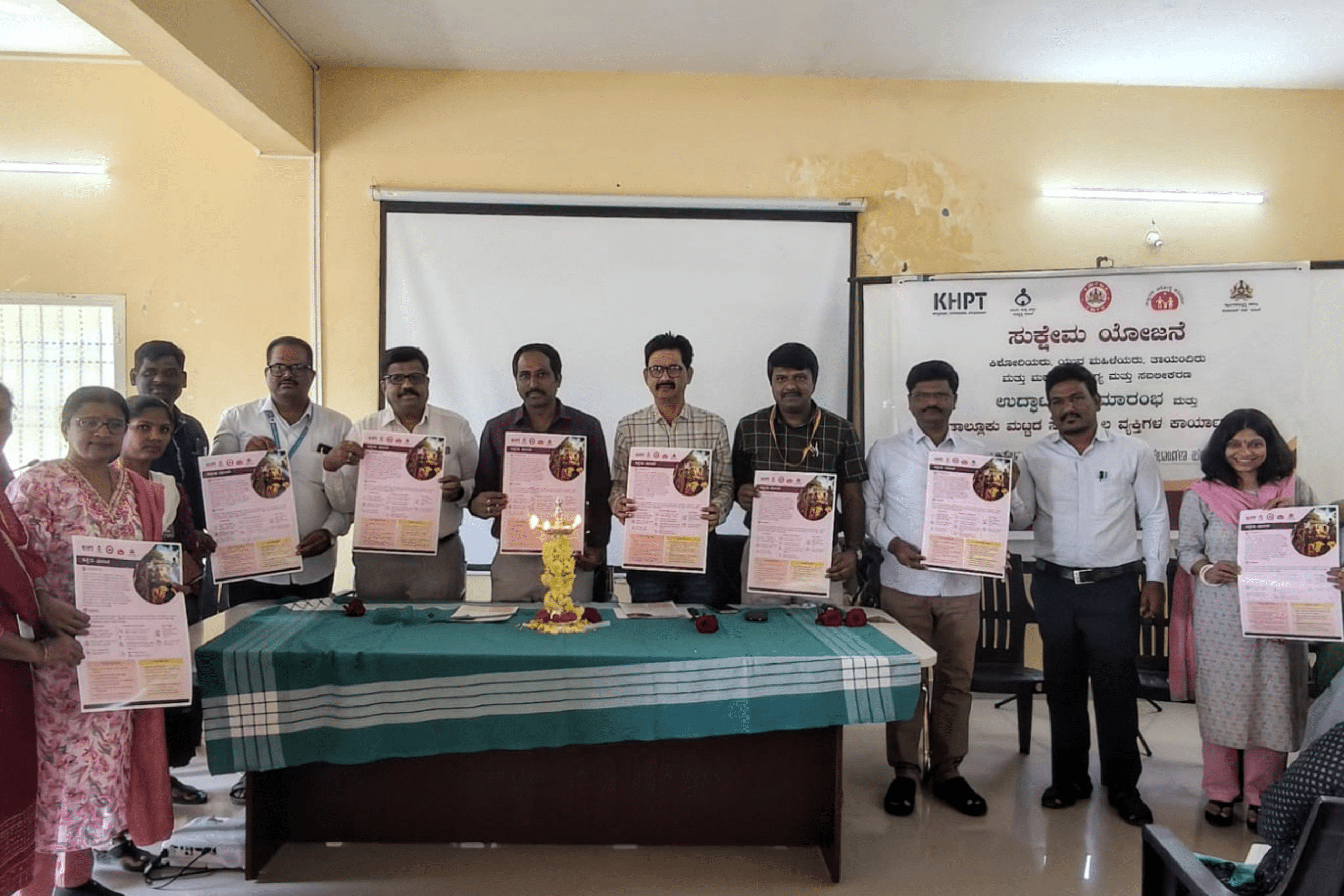
The session was thoughtfully curated by KHPT in collaboration with the Wipro Foundation as part of the Wipro Healthcare Partners Forum under “She Matters: A Day of Dialogue, Insights, and Hands-on Learning on Gender and Women’s Health.” The session was held on 17th February 2026 at the Azim Premji University campus. Bringing together diverse voices and grounded experiences, the session—facilitated by Benson Issac—aimed to foster greater awareness, encourage reflective conversations, and contribute to more inclusive and responsive mental health practices.
The panel featured the following speakers:
Dr Lakshmi Narasimhan and Ms. Prabhavathi from The Banyan Academy of Leadership in Mental Health, Tamil Nadu.
Dr Manoj Kumar and Mr Shajan MP from Mental Health Action Trust (MHAT), Kerala.
Madhuri Gavit and Mr. Sainath Devrao Ghait from Savitribai Phule Mahila Ekatma Samaj Mandal (SPMESM), Maharashtra.
Dr Maithreyi Ravikumar and Ms. Asha Bukitagar from KHPT, Bangalore.
The panel sought to develop a ground-up understanding of mental health, drawing upon community members’ perceptions and own language around mental health. Framing the discussion around mental health through community perspectives, the rationale for institutionalizing community mental health models were highlighted.
Community representatives, supporting diverse mental health interventions, for farmer suicides in Maharashtra, gendered barriers to health and well-being for adolescent girls in Karnataka, homeless persons in Tamil Nadu, and persons with mental illness in rural Kerala, spoke of the nature of problems and challenges they encounter in community health work.
They highlighted the importance of addressing the structural and social determinants of mental health – from lack of awareness on mental health issues within the community, stigma, poor gender norms, lack of family and social support for persons living with mental illness, lack of access to welfare measures and entitlements, and structural violence against persons with mental illness.
Within this context, they described the creative work they do in supporting communities through sustained engagement, home visits, frontline worker mobilisation, and collaboration with community influencers, organizing night camps, creating awareness on mental health as part of festival and fairs, linking spirituality with counselling practices, linking mentally ill persons with social welfare schemes, preventing child marriages and school dropout by working with rural adolescent girls, and their parents to handle maturational changes and development of their bodies, and so on. However, they highlighted that treatment adherence remains constrained by stigma, cultural/religious beliefs, financial barriers, and resistance within families.
Complementing the perspectives of the community representatives, representatives from the Civil Society Organizations (CSOs) supporting these community mental health interventions discussed the needs of de-medicalizing mental health interventions, decentralizing mental health programmes, governance and budgets, and developing local ownership and community partnerships.
They highlighted the importance of developing task-sharing models with the community, reallocating budgets from tertiary mental health care systems and district mental health programmes to grassroots community-based interventions to address the scale of the problem and lack of adequate specialist human resources for mental health. Approaches integrating psychosocial support with livelihood activities, building parent-daughter relationships to address adolescent mental health, agricultural collectives for drought management to reduce farmer distress, and faith based initiatives such as Karnataka’s Dawa-Dua programme were identified as promising models that normalise mental health conversations within everyday community settings.
Together, community representatives and CSO built an understanding of the intersectional aspects of mental health, and the role of social determinants such as gender inequities, caste dynamics, livelihood insecurity, and climate-related stressors such as drought and migration, that are important to address within mental health interventions.